Overview of Serengeti National Park
Serengeti National Park is one of the world’s greatest safari destinations and the crown jewel of Tanzania’s northern safari circuit. Famous for its endless plains, extraordinary wildlife, and the spectacular Great Wildebeest Migration, the Serengeti offers an unforgettable African safari experience for travellers from around the globe. Located in northern Tanzania, this UNESCO World Heritage Site covers approximately 14,763 square kilometres and forms part of the larger Serengeti ecosystem, which stretches into Kenya’s Maasai Mara National Reserve.
The name Serengeti comes from the Maasai word Siringet, meaning the place where the land runs forever. This perfectly describes the vast open savannahs that seem to extend endlessly toward the horizon. Whether you are watching a pride of lions at sunrise, witnessing thousands of wildebeest crossing the Mara River, or enjoying a luxury tented camp under the African stars, Serengeti National Park delivers a safari experience unlike anywhere else on Earth.
For first-time visitors and seasoned safari travellers alike, the Serengeti combines breathtaking landscapes, year-round wildlife viewing, and world-class safari activities. It is the ultimate destination for anyone seeking an authentic Tanzania safari adventure.
Going on a Serengeti Safari
Planning a safari can feel overwhelming. Which area should you visit? When should you travel? Should you stay in a lodge or tented camp? How many days do you need?
The good news is that you do not have to plan everything alone.
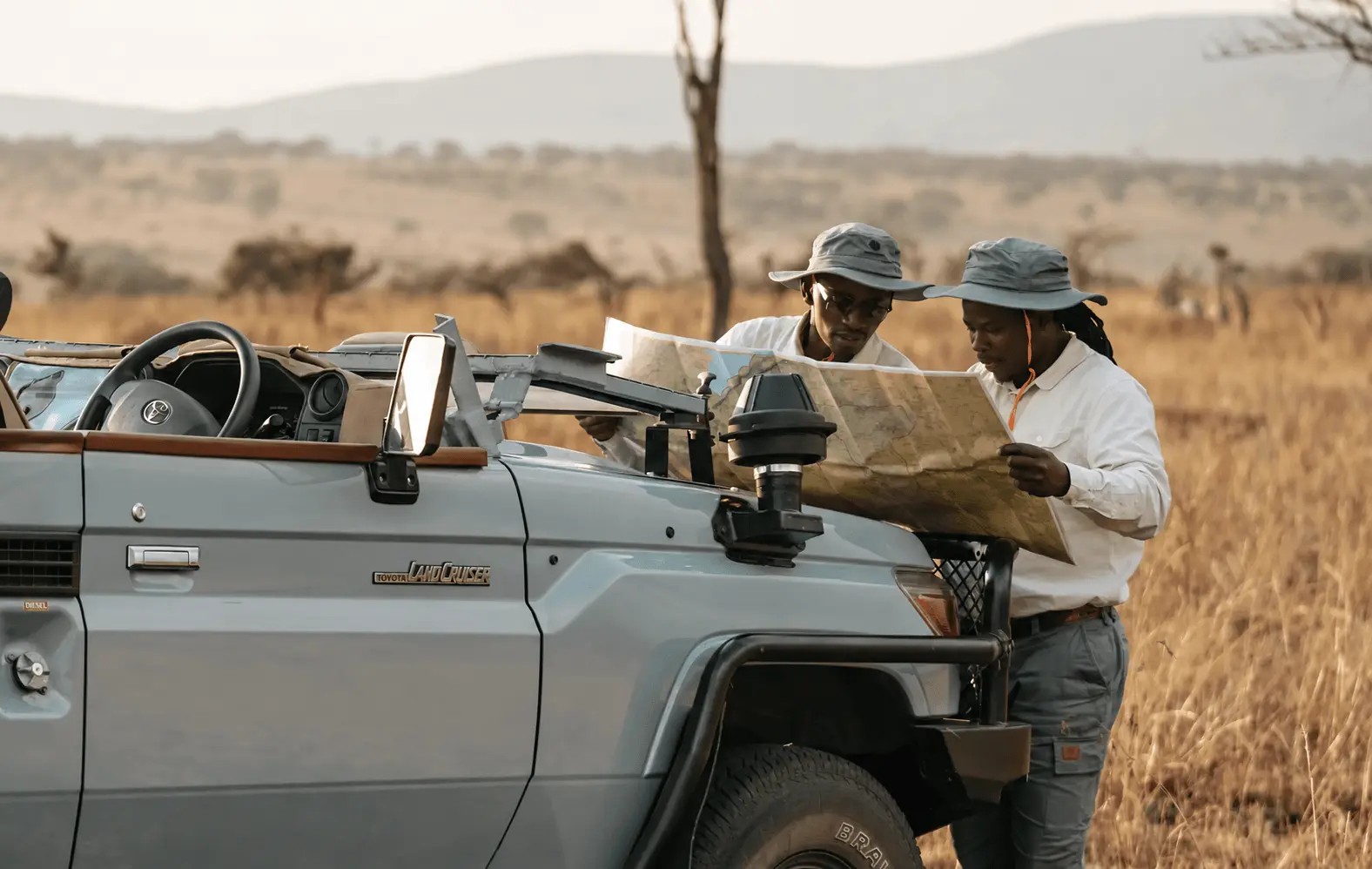
A well-designed Serengeti safari tour should match your travel dates, interests and budget. Some travellers want to follow the Great Migration, while others are more interested in predators, photography, birding, luxury accommodation or simply spending several quiet days surrounded by nature.
A private safari also gives you greater flexibility. You can spend longer watching a pride of lions, stop for photography when the light is perfect or enjoy a picnic breakfast in the bush rather than rushing from one sighting to another.
For a deeper Serengeti experience, consider combining different areas of the park instead of staying in one location throughout your trip.
Witness the Great Migration in Serengeti National Park
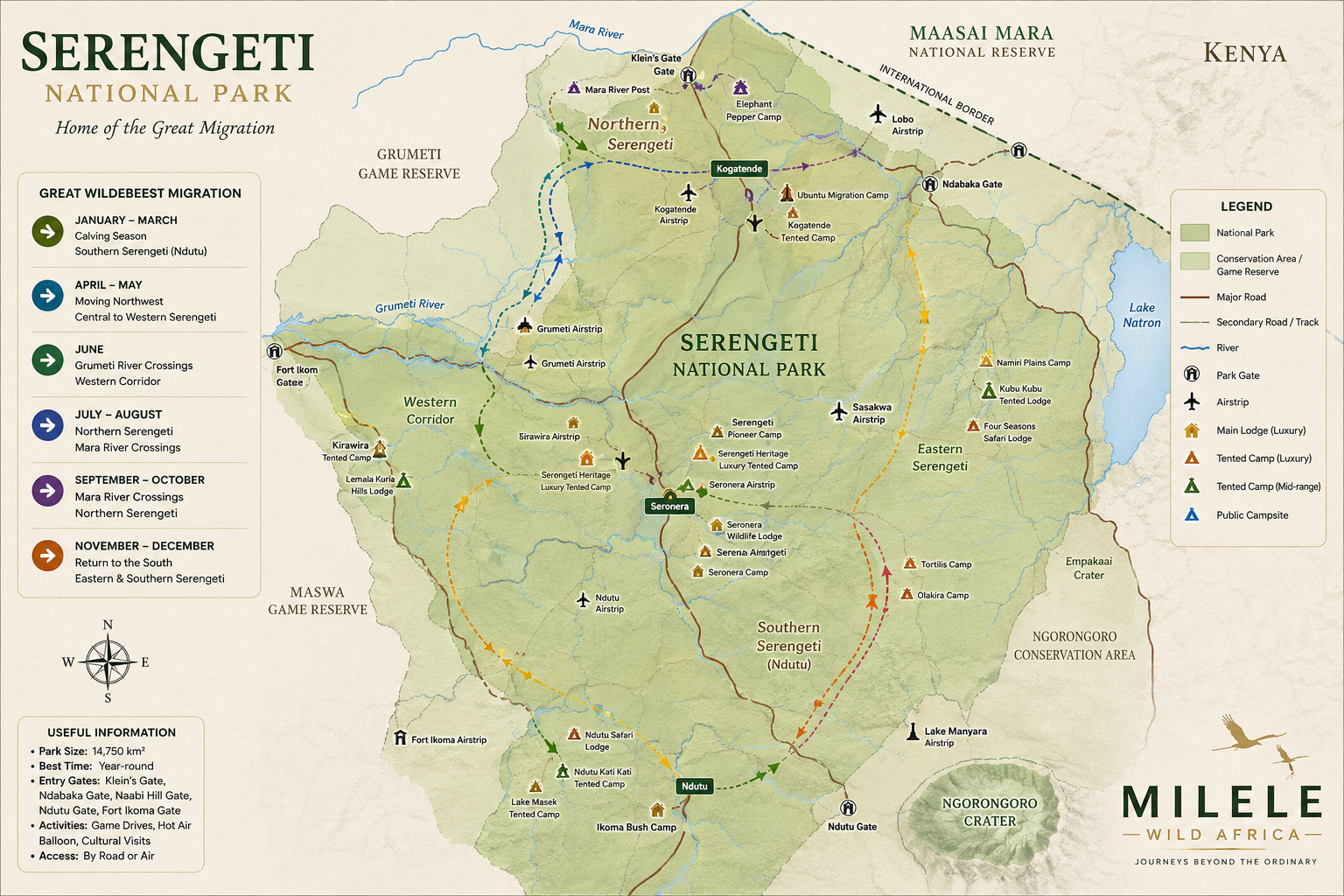
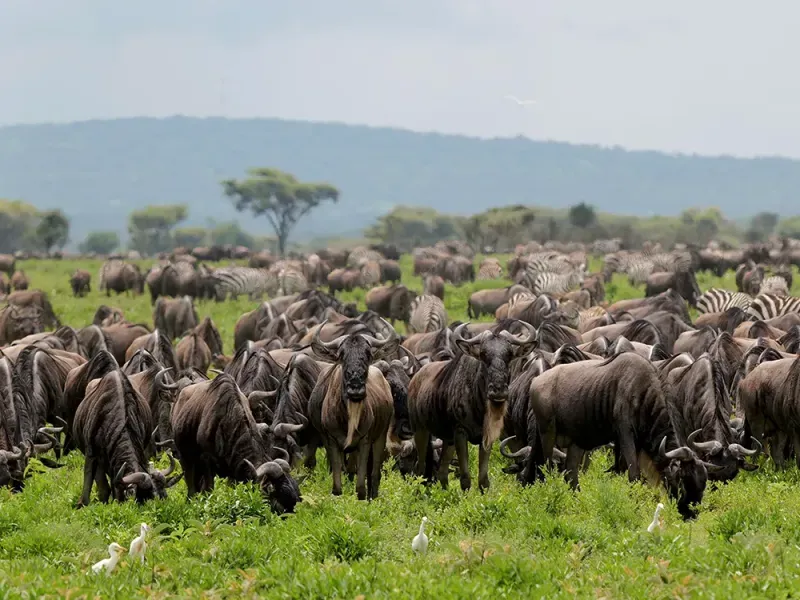
The Great Wildebeest Migration is the most famous wildlife spectacle on Earth and the highlight of any Serengeti safari. More than 1.5 million wildebeest, accompanied by hundreds of thousands of zebras and gazelles, move across the Serengeti ecosystem in search of fresh grazing and water.
This migration is a continuous circular journey driven by rainfall patterns. It is not a single event that happens on one specific day; instead, the herds move throughout the year, creating different safari experiences in different regions of the park.
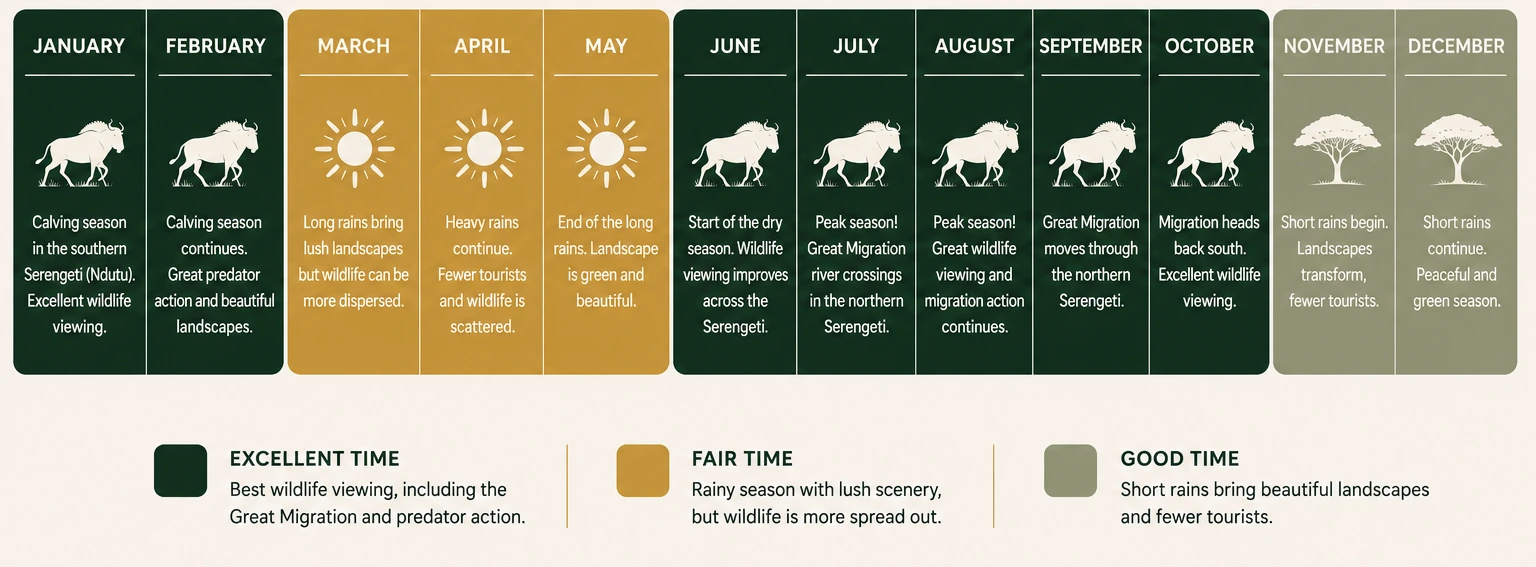
January to March – Calving Season
The southern plains and Ndutu area become the centre of activity during the calving season. More than 400,000 wildebeest calves are born within a few weeks, attracting predators such as lions, cheetahs, hyenas, and leopards.
April to June – Western Migration
As the rains end, the herds begin moving northwest through the Central and Western Serengeti. This period offers beautiful green landscapes and excellent photography opportunities.
July to October – Mara River Crossings
This is considered the best time to witness the dramatic Mara River crossings in Northern Serengeti. Thousands of wildebeest gather along the riverbanks before plunging into crocodile-filled waters. The crossings are unpredictable, dramatic, and unforgettable.
November to December – Return to the South
After spending time in Kenya’s Maasai Mara, the herds gradually return south as the short rains begin, preparing for the next calving season.
For most travellers, July to October is the best time to see the famous Mara River crossings, while January to March is ideal for calving season and predator action
Wildlife in Serengeti National Park
Serengeti National Park is one of the best places in Africa for wildlife viewing. The park supports one of the largest concentrations of mammals on the continent, offering exceptional opportunities to see Africa’s famous animals in their natural environment.
The Big Five in Serengeti
Serengeti is a top destination for seeing the African Big Five:
Lions
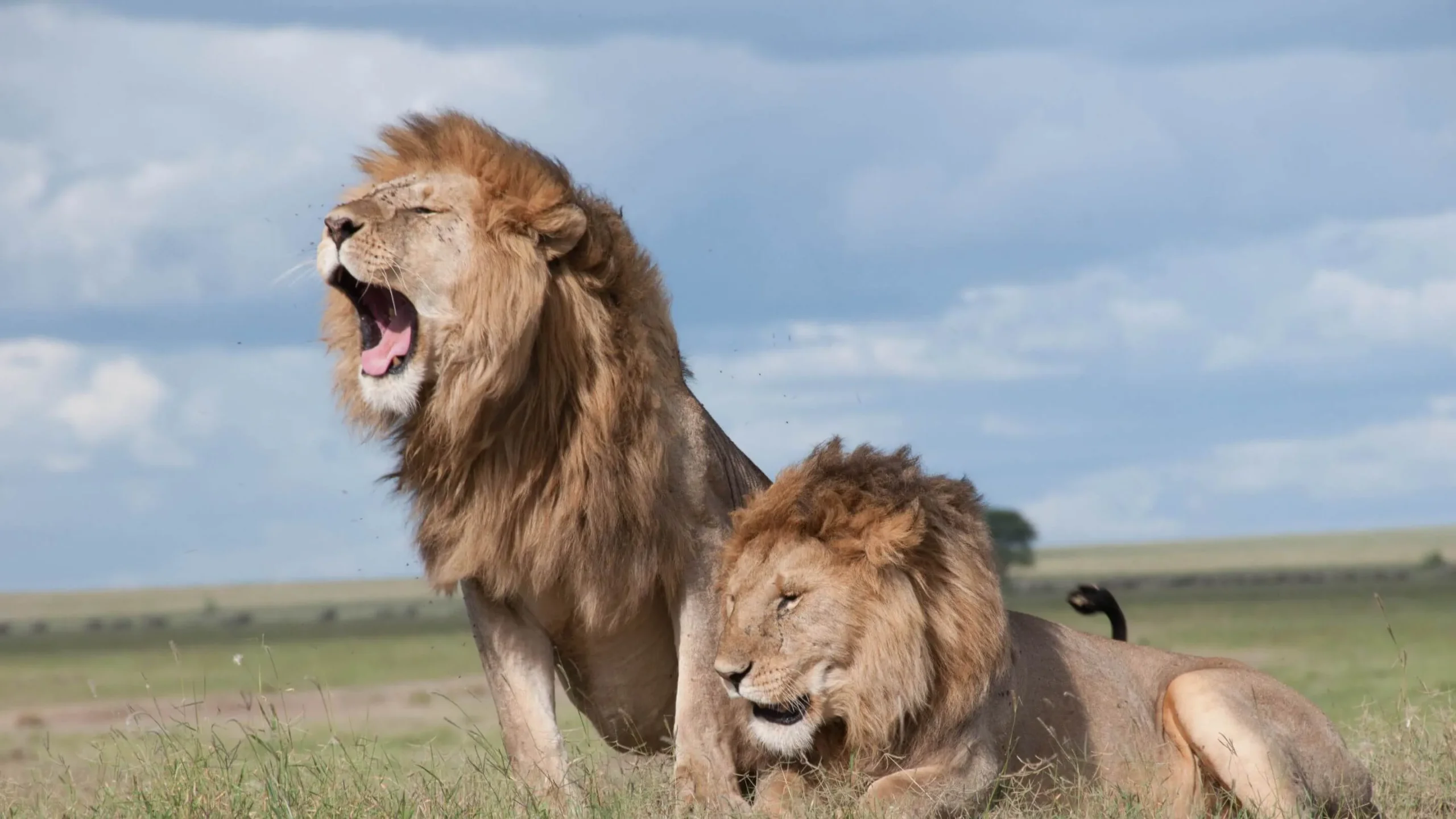
Serengeti has one of the largest lion populations in Africa. Lions can often be seen resting under trees, hunting in groups, or protecting their territories. The open plains make it easier to observe these powerful predators.
Leopards
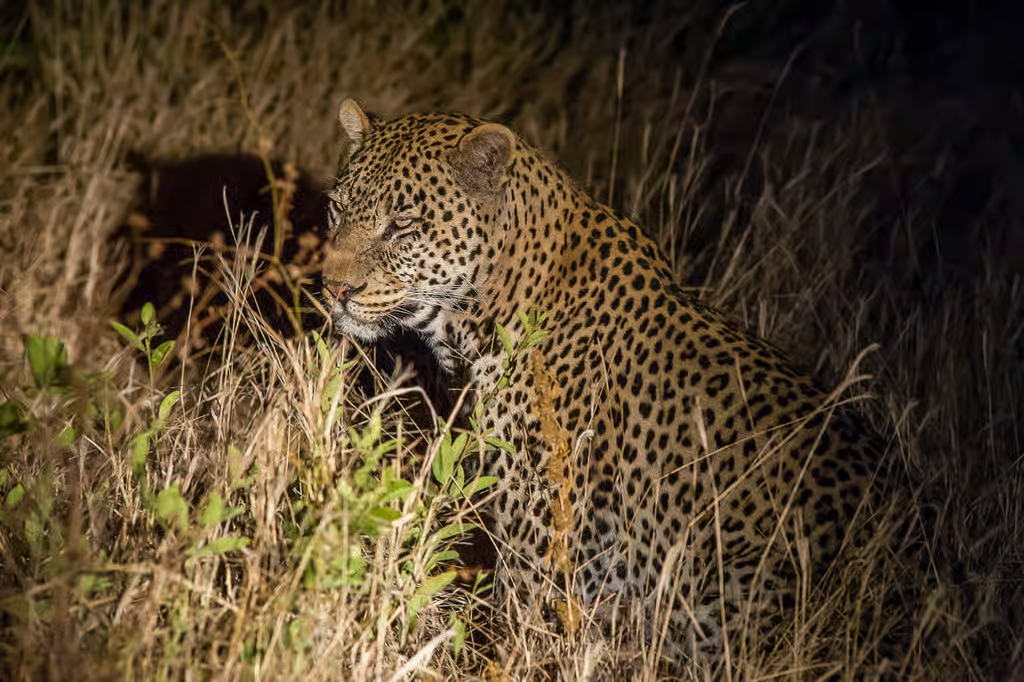
Leopards are more secretive but can often be spotted resting on acacia trees, especially around the Seronera Valley. Their incredible camouflage and climbing ability make every sighting special.
Elephants
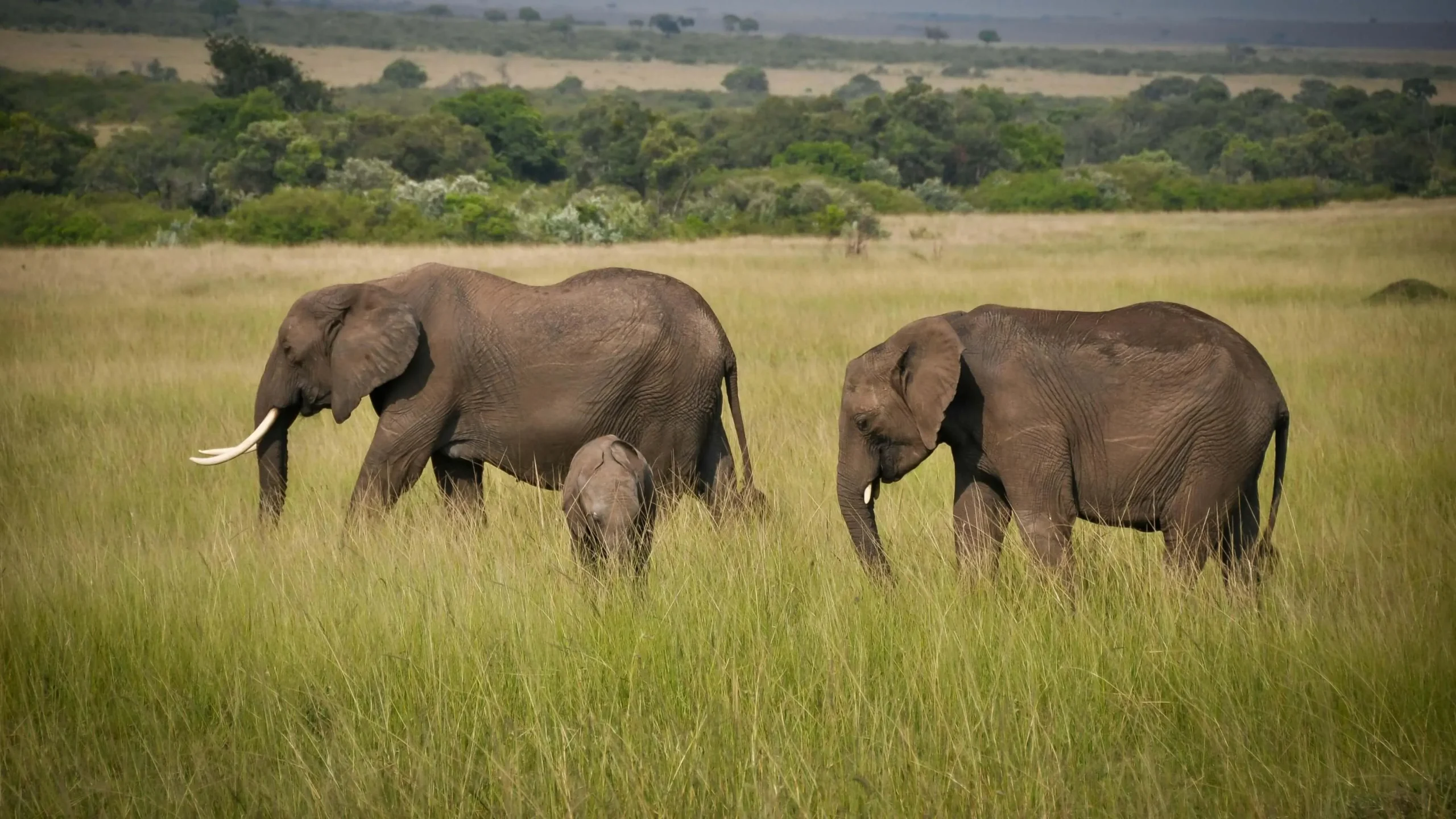
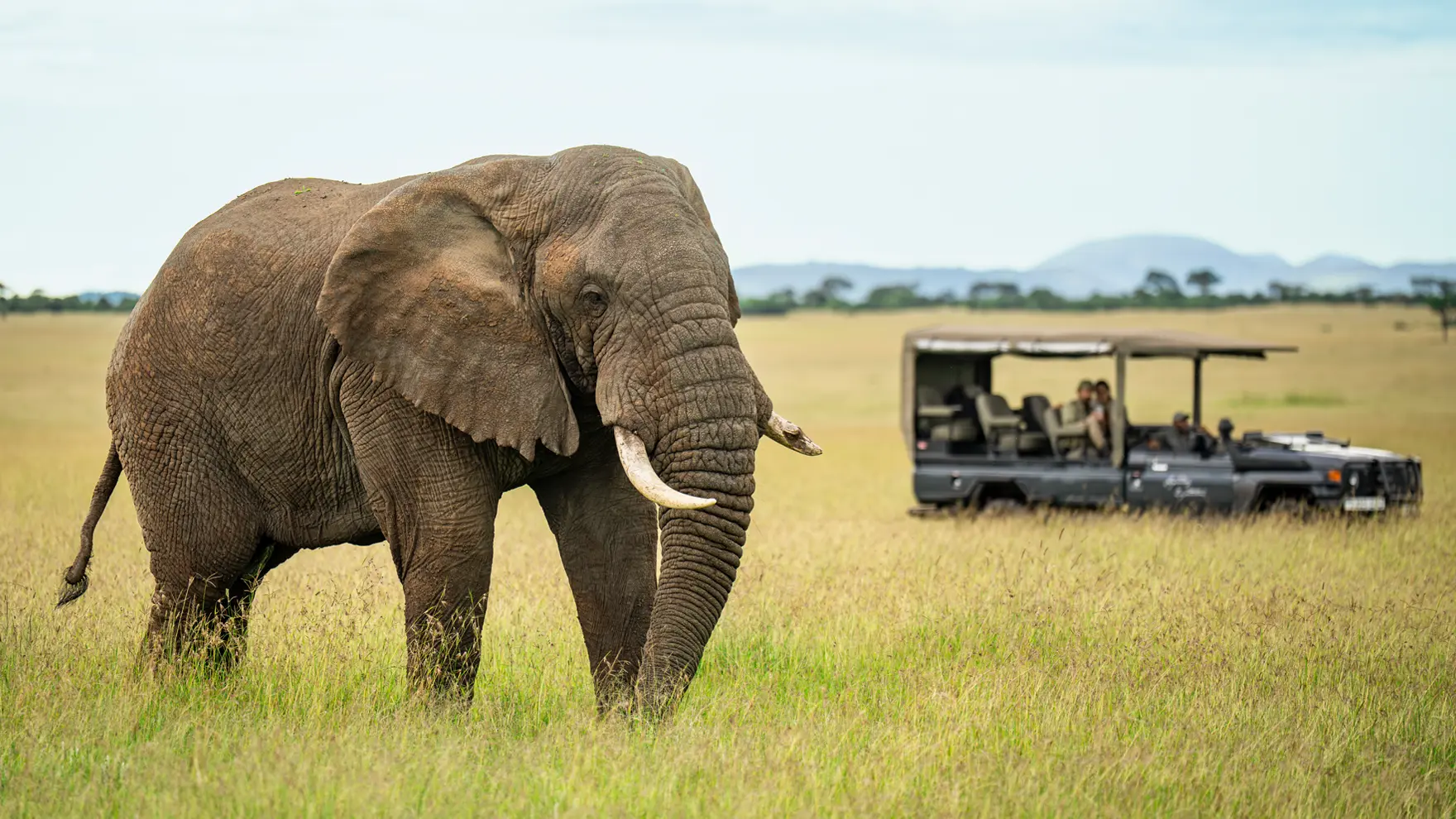
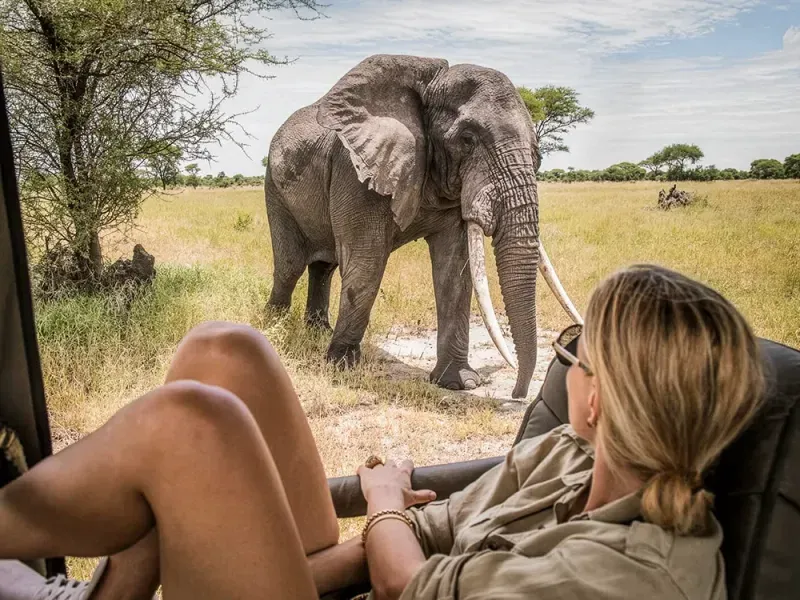
African elephants roam throughout Serengeti, especially near woodland areas and water sources. Watching elephant families interact is one of the most memorable safari experiences.
Buffaloes
Large herds of African buffalo can be found across the park. These powerful animals often gather near waterholes and grasslands.
Rhinoceroses
Black rhinos are rare and endangered, but Serengeti and nearby protected areas provide opportunities for lucky visitors to see them.
Other Wildlife Species
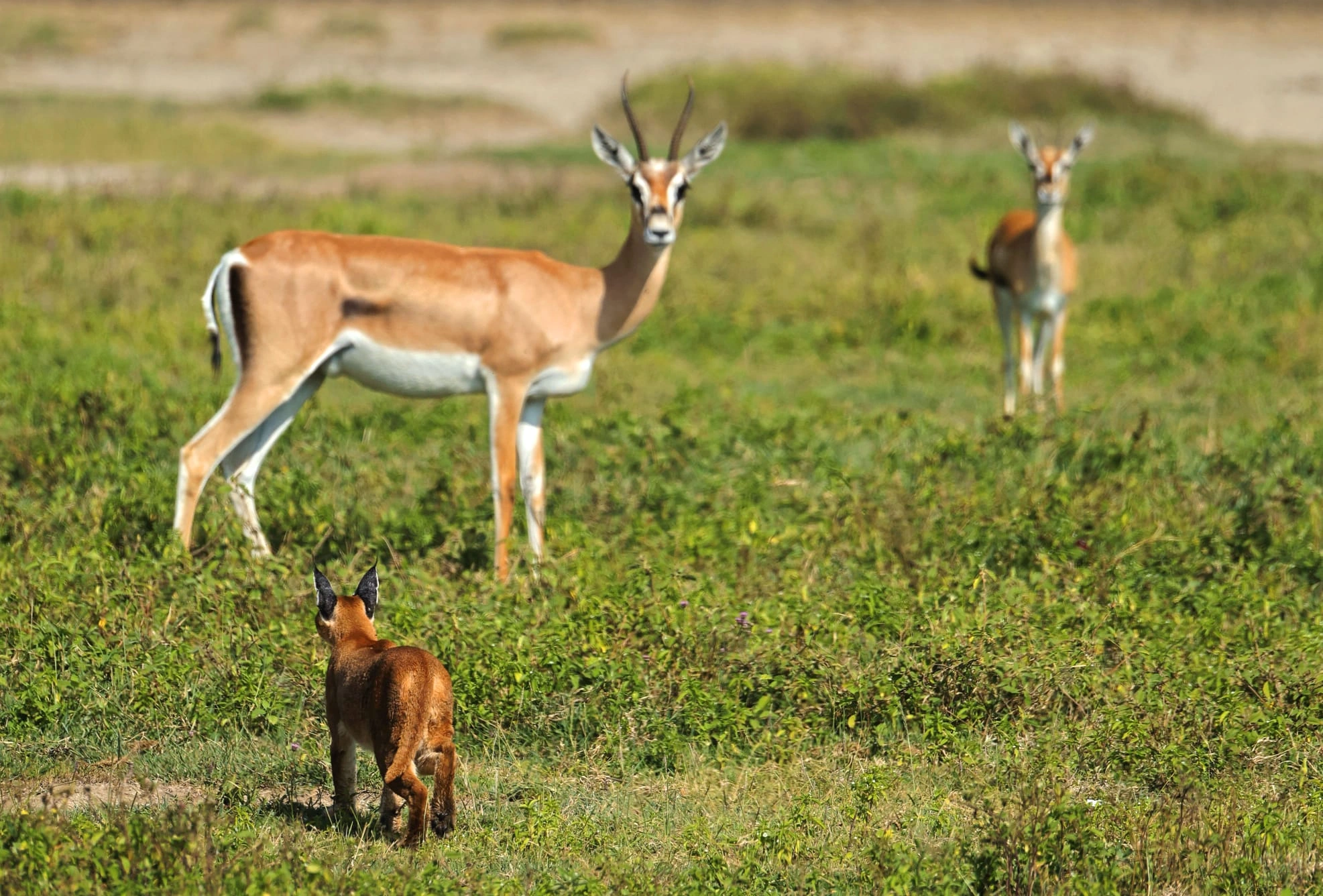
Beyond the Big Five, Serengeti is home to cheetahs, hyenas, giraffes, zebras, wildebeest, hippos, crocodiles, antelopes, warthogs, and many more species.
The park also offers incredible bird watching, with more than 500 recorded bird species, including ostriches, secretary birds, crowned cranes, eagles, and colorful bee-eaters.
Top Things to Do in Serengeti National Park
A Serengeti safari does not have to mean simply driving from one animal sighting to another. There are several ways to experience the wilderness.
Best Time to Visit Serengeti National Park
Serengeti National Park offers outstanding wildlife viewing throughout the year, making it one of Africa’s top safari destinations. However, the best time to visit depends on the experience you are looking for. If witnessing the Great Wildebeest Migration is your priority, January to March is ideal for the calving season in the Southern Serengeti and Ndutu Plains, where thousands of newborn calves attract numerous predators.
Between June and July, the migrating herds move through the Western Corridor, while August to October is the best time to visit the Northern Serengeti for the spectacular Mara River crossings. Since the migration follows seasonal rainfall, its exact timing can vary each year. For travellers seeking a quieter safari with fewer vehicles, consider visiting outside the peak migration months, when the Serengeti still offers exceptional game viewing and breathtaking landscapes.
Serengeti National Park Safaris
There are places you visit, and then there are places that stay with you long after you leave. Serengeti National Park belongs firmly in the second category.
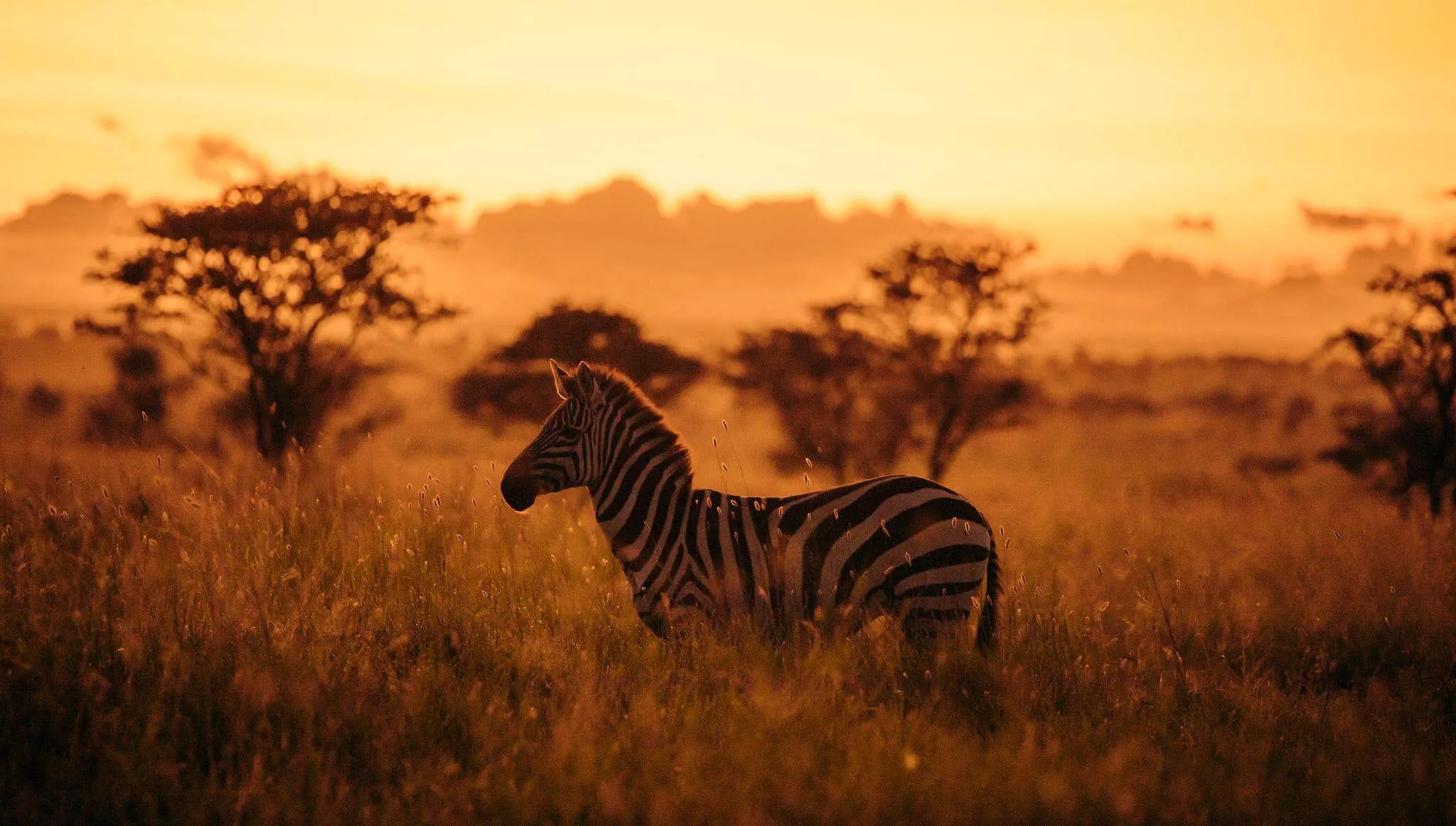
Imagine waking before sunrise, stepping outside your tent and hearing nothing but birdsong, distant calls and the soft movement of the African wilderness. As the first light reaches the horizon, the golden plains begin to glow. Somewhere beyond the acacia trees, a lion is preparing for another day, wildebeest are moving across the grasslands, and a leopard may be resting unseen in the shade.
For travellers looking for an authentic Tanzania safari, few destinations offer the combination of vast landscapes, abundant wildlife, exceptional safari camps and the legendary Great Migration quite like the Serengeti.
Serengeti Safari Accommodation
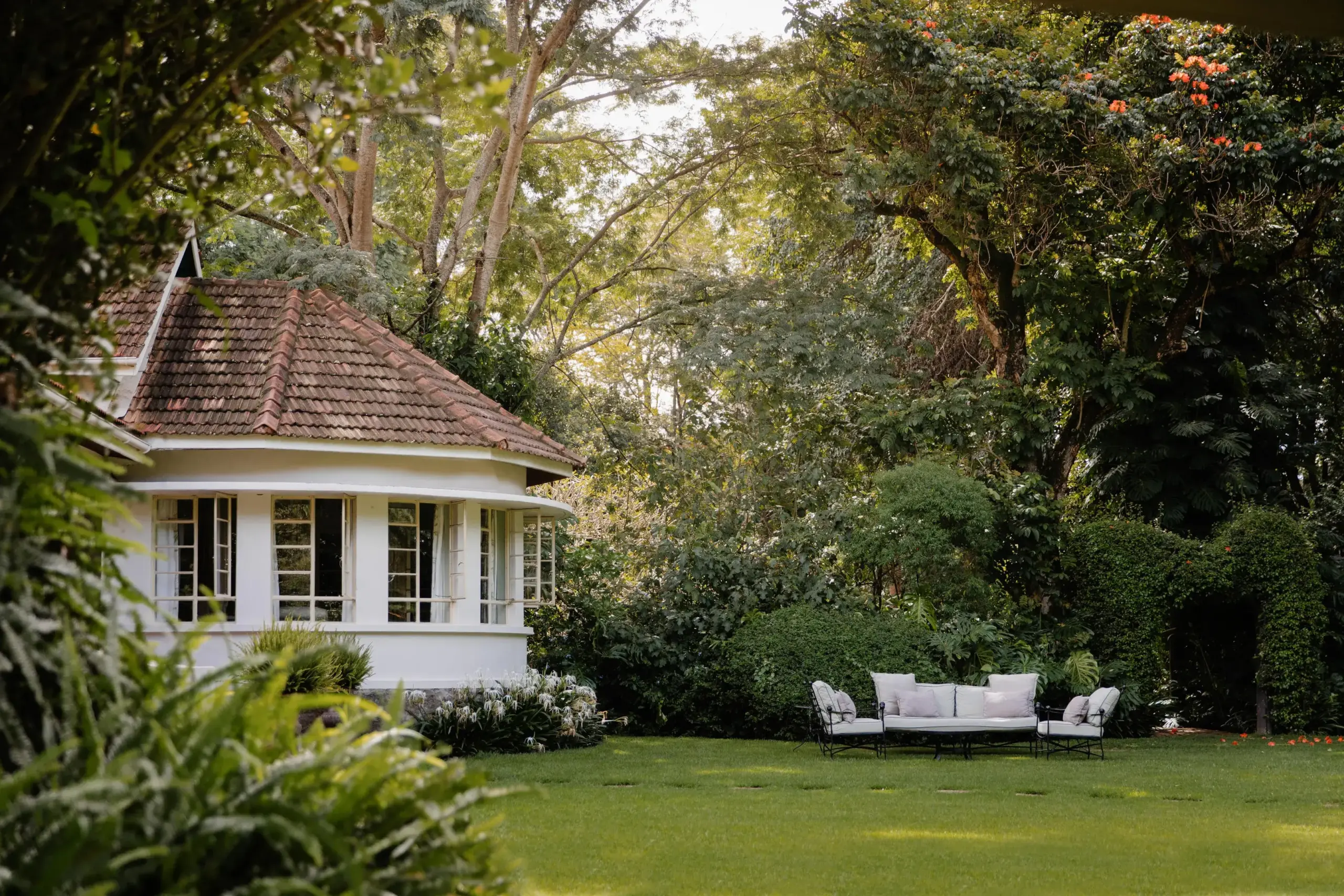
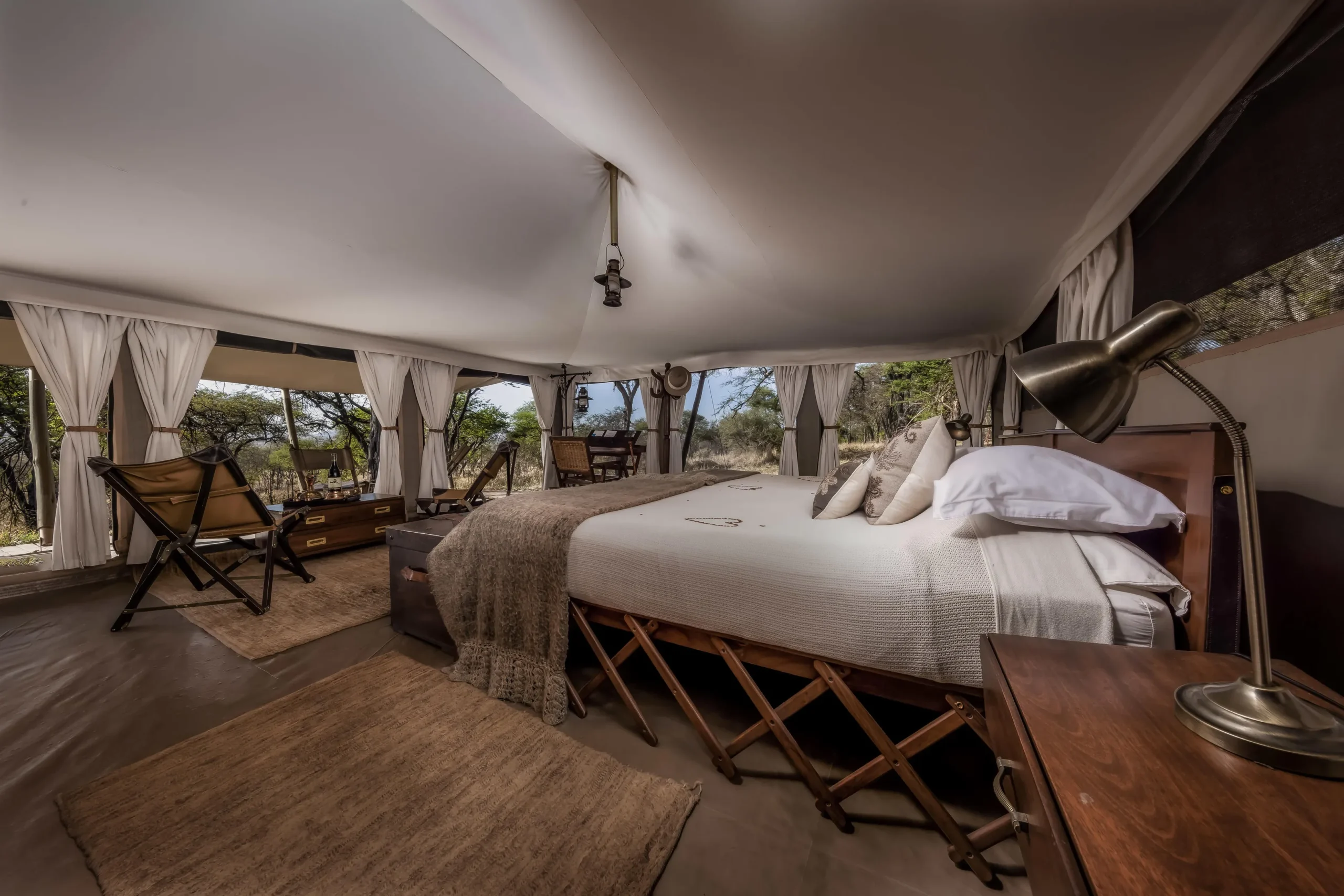
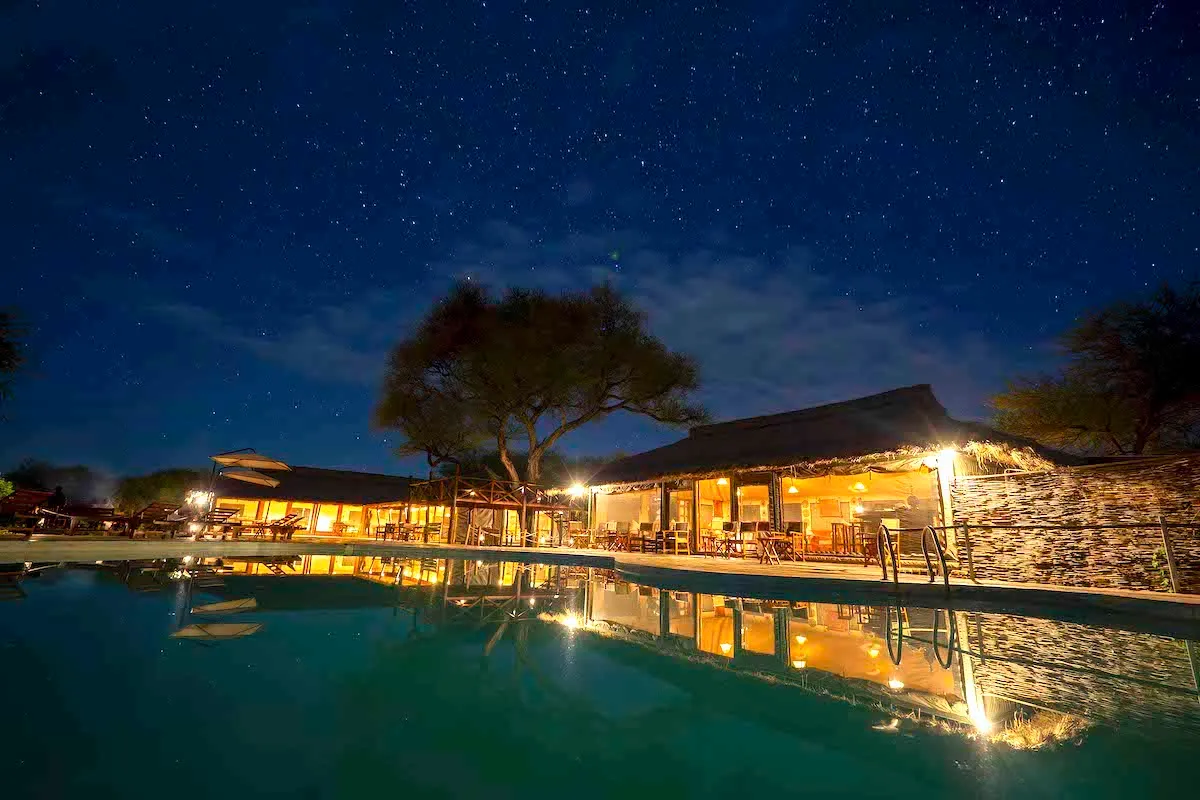
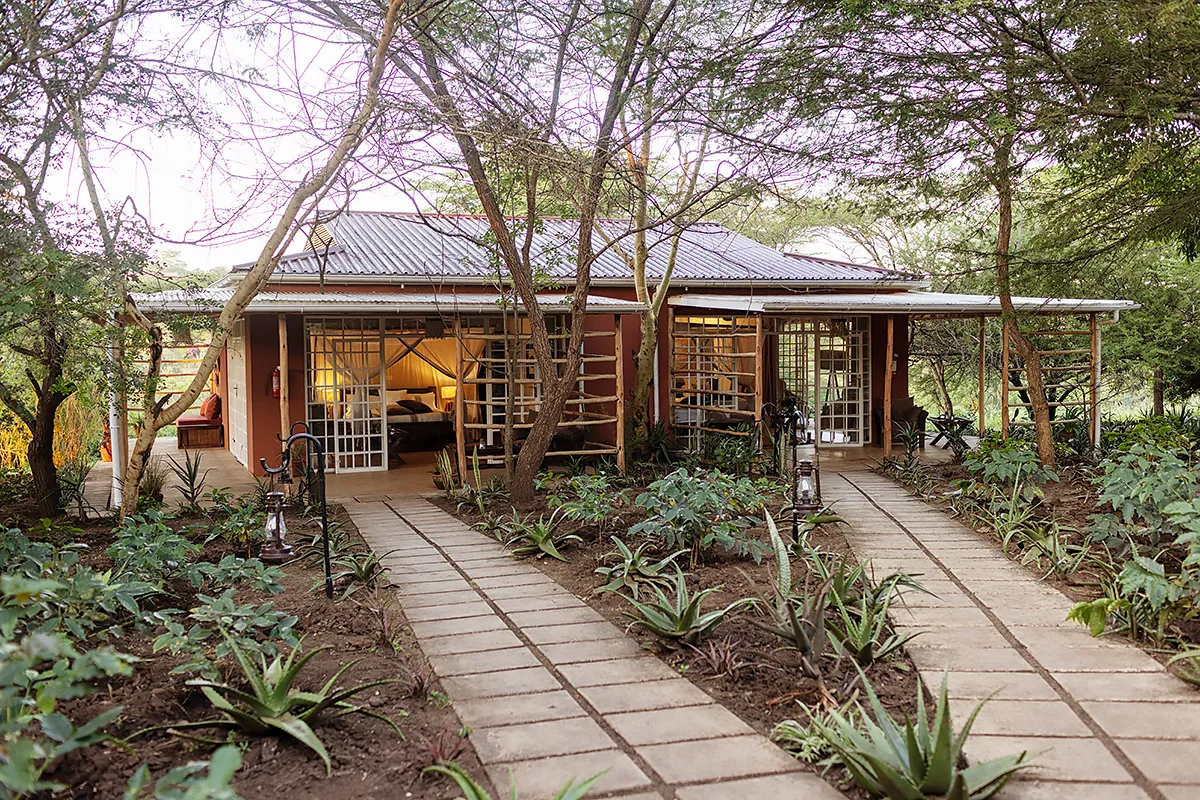
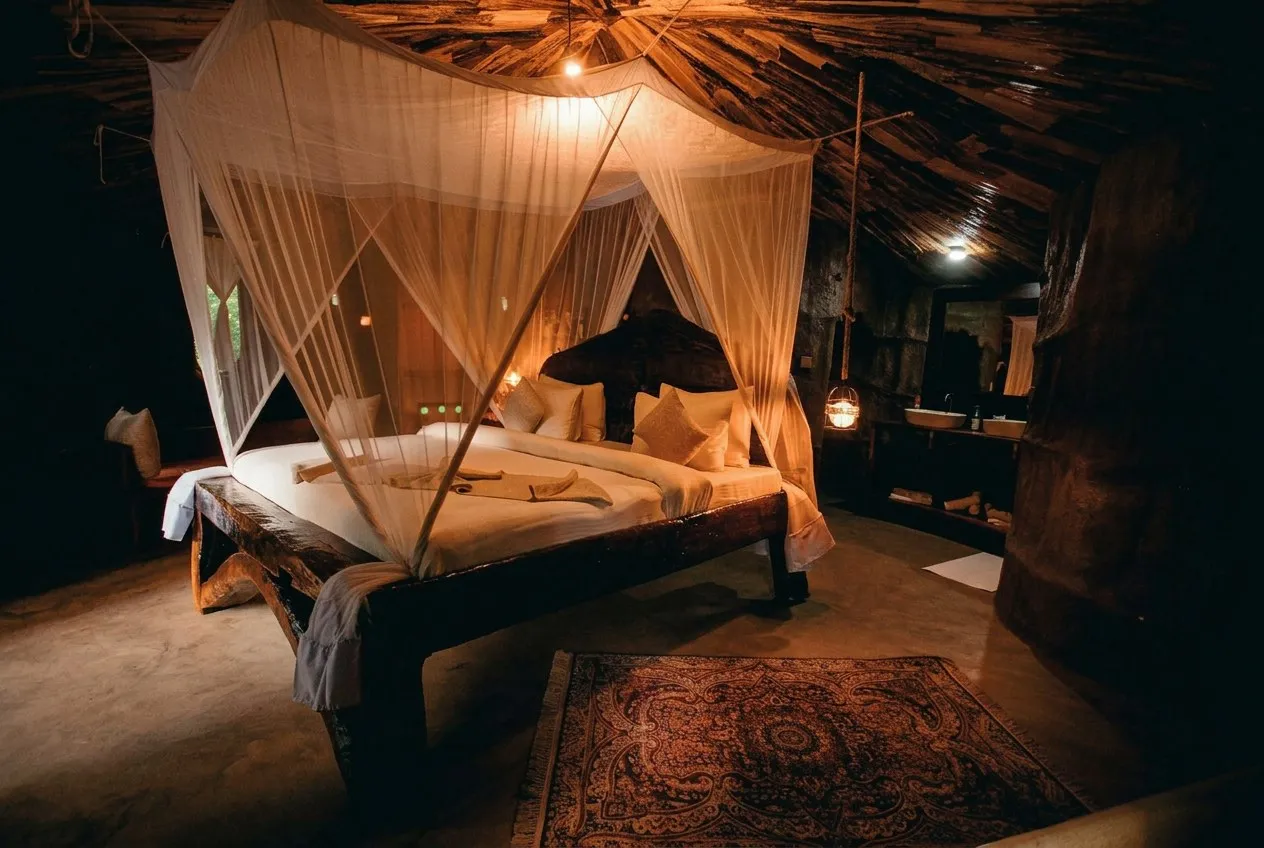
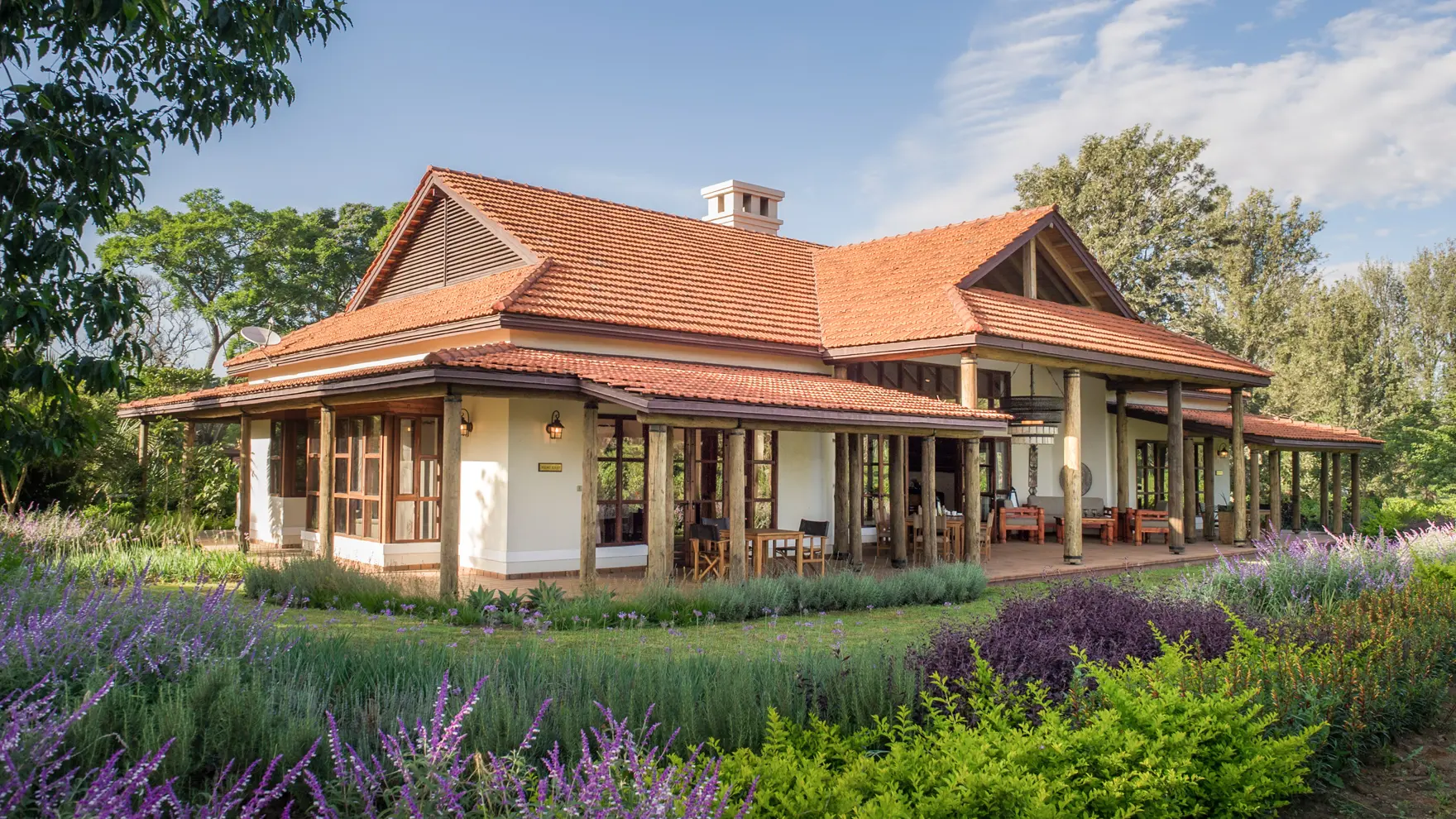
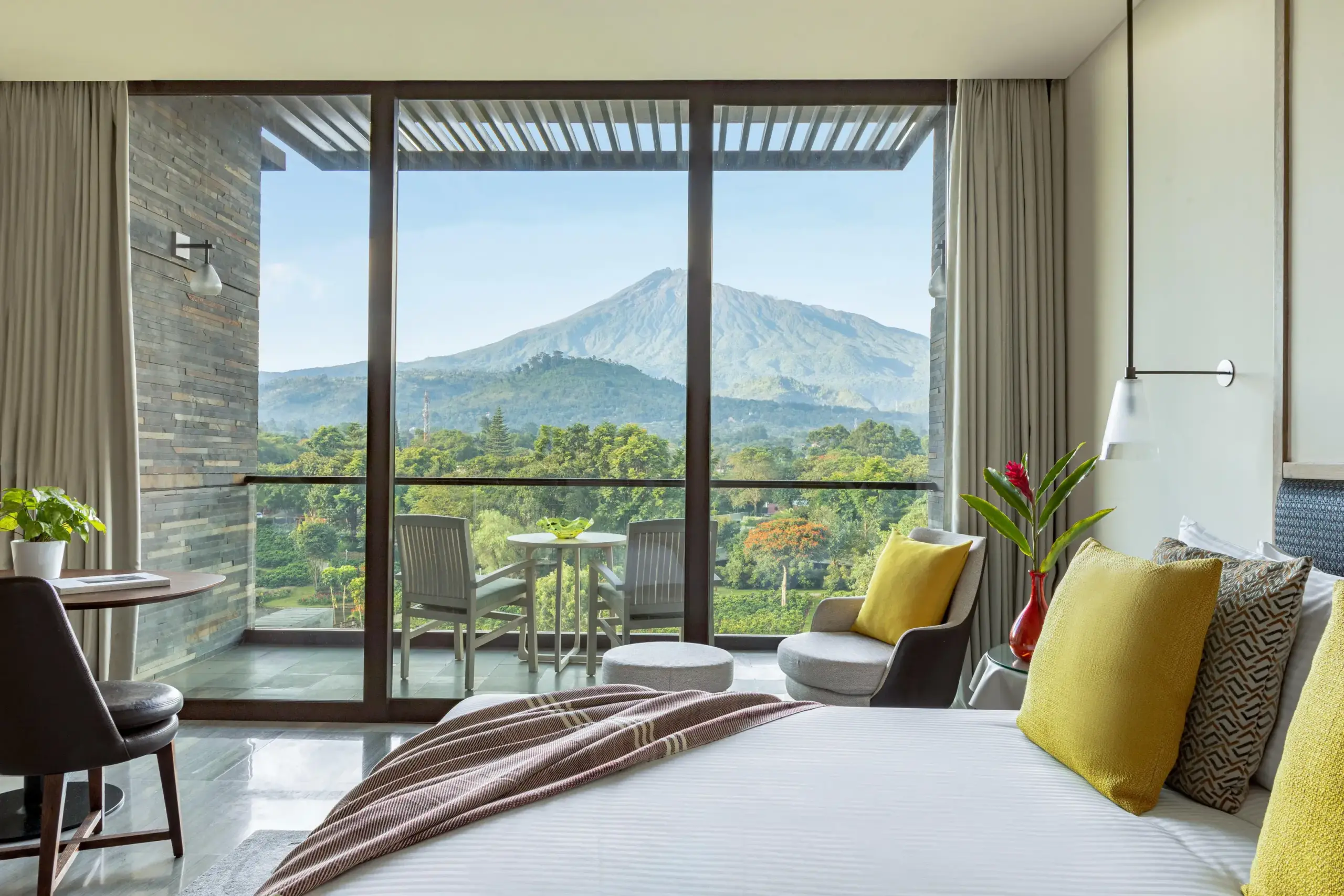
Where you sleep can be just as memorable as what you see during the day. Serengeti accommodation ranges from comfortable camps and mid-range tented lodges to sophisticated luxury safari camps with private decks, excellent dining and spectacular wilderness views.

How to Get to Serengeti National Park
Most Serengeti safaris begin in or around Arusha, the main gateway to Tanzania’s Northern Safari Circuit.
International travellers commonly fly into Kilimanjaro International Airport (JRO), which is located approximately 50 kilometres from Arusha. Travellers arriving through Dar es Salaam can also connect to northern Tanzania by domestic flight.
From Arusha, you can reach the Serengeti by:
Road Safari
A 4×4 safari vehicle allows you to enjoy the scenery and visit destinations such as Tarangire National Park and the Ngorongoro Conservation Area along the way. The road journey takes longer than flying but becomes part of the safari itself.
Flying to the Serengeti
Domestic flights connect Arusha with several airstrips inside or near different Serengeti areas. Flying is an excellent choice when you have limited time or prefer to spend more time in the park rather than travelling by road.