Overview of Tarangire National Park
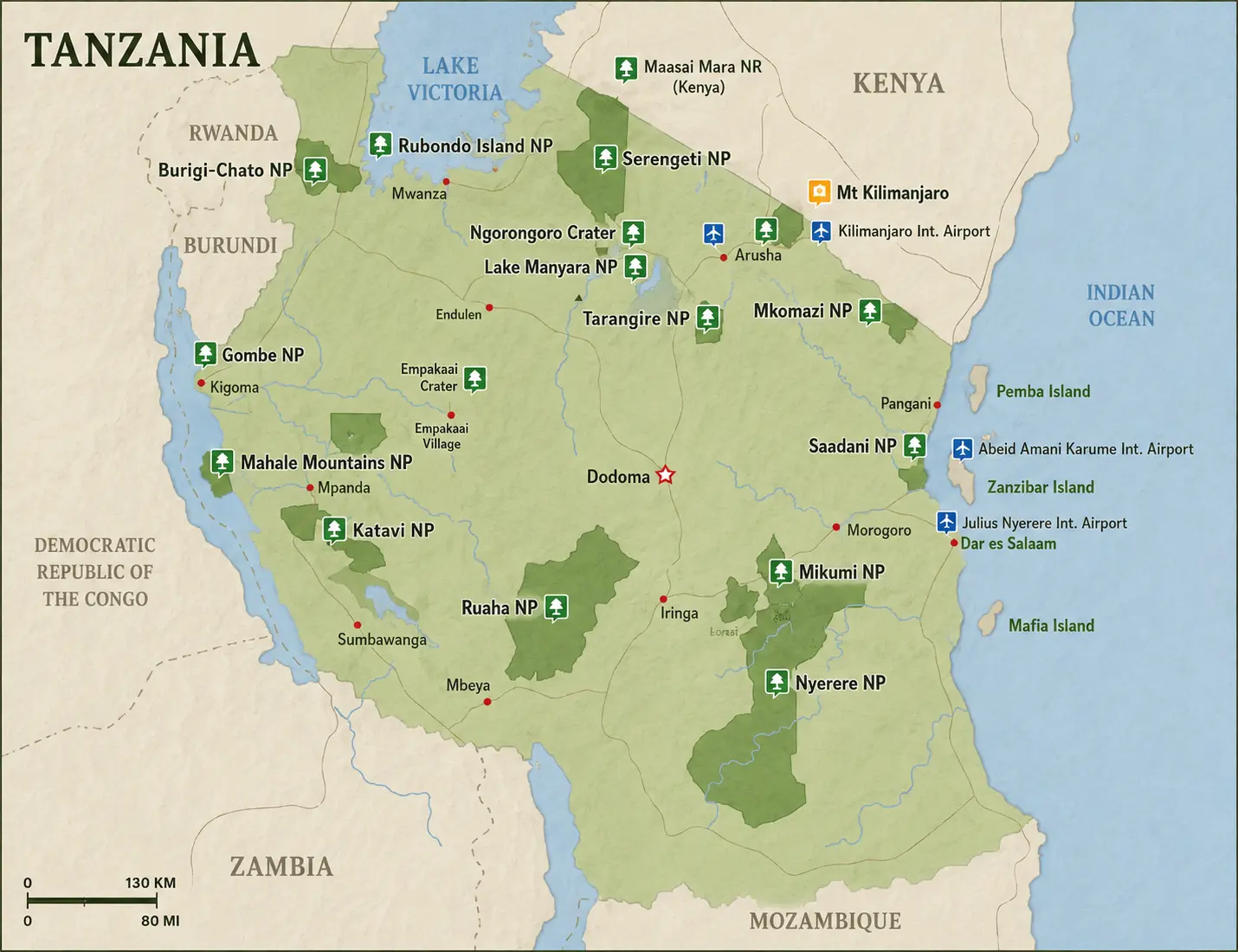
Tarangire National Park is situated in northern Tanzania, approximately 120 kilometres southwest of Arusha. It forms an important part of Tanzania’s Northern Safari Circuit and is commonly combined with Serengeti National Park, Ngorongoro Conservation Area, and Lake Manyara National Park.
Covering approximately 2,850 square kilometres, Tarangire contains a fascinating mixture of habitats. The landscape changes from open savannah and seasonal wetlands to acacia woodland, riverine vegetation, and areas dominated by enormous baobab trees. These different environments provide food, shelter, and water for a remarkable variety of wildlife.
The park takes its name from the Tarangire River, which becomes especially important during the dry season. As seasonal water sources disappear across the surrounding landscape, wildlife gathers around the river and other permanent or semi-permanent water sources. This seasonal movement is one of the reasons a Tarangire safari can become particularly spectacular between June and October, with some of the strongest wildlife concentrations occurring later in the dry season.
Why Choose a Safari in Tarangire National Park?
One of the biggest advantages of a safari in Tarangire National Park is the park’s distinctive character. Instead of endless open plains, visitors encounter a varied landscape filled with giant baobabs, woodland, grassland, swamps, and riverine areas. The scenery changes constantly as you travel through the park, making every game drive visually interesting.
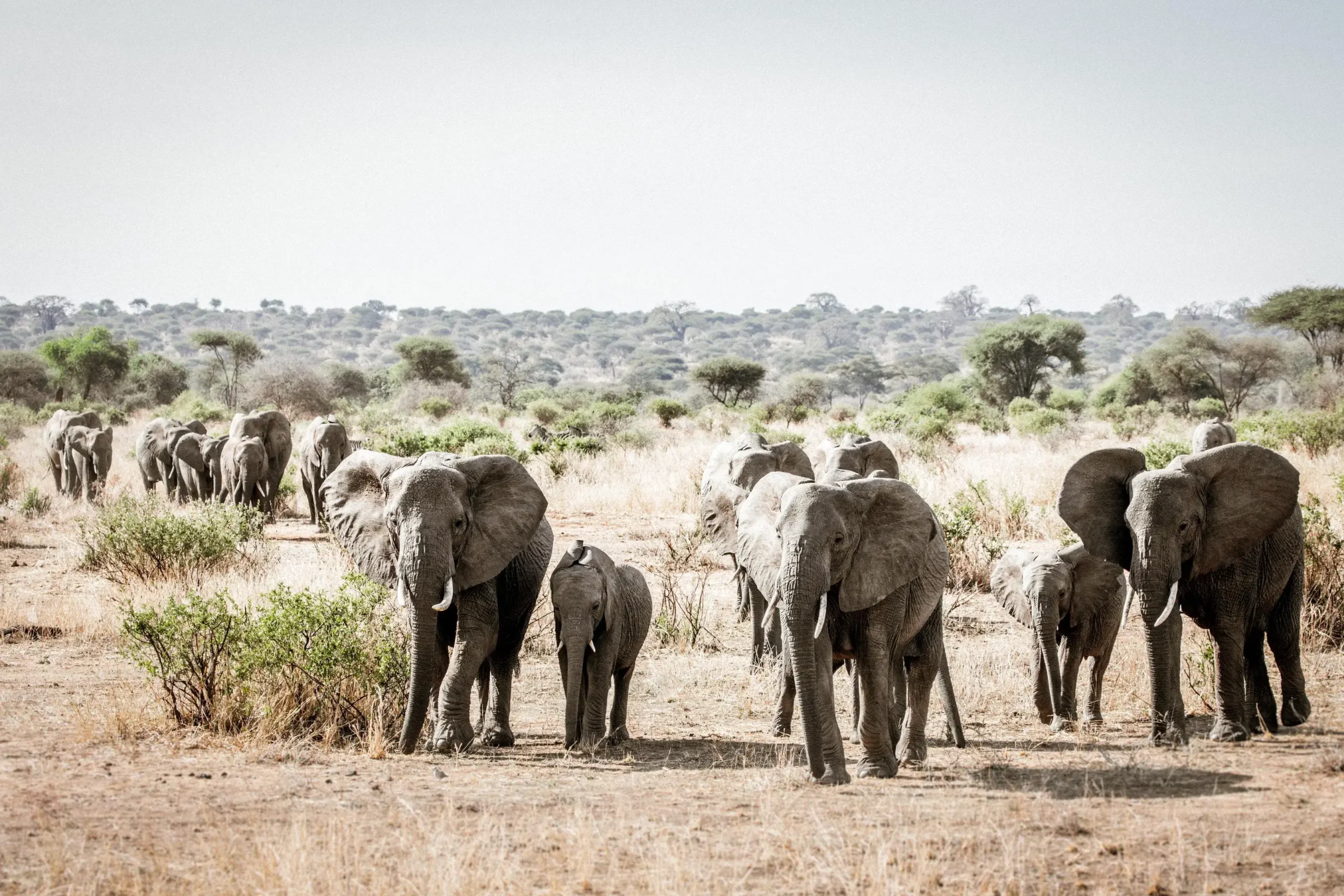
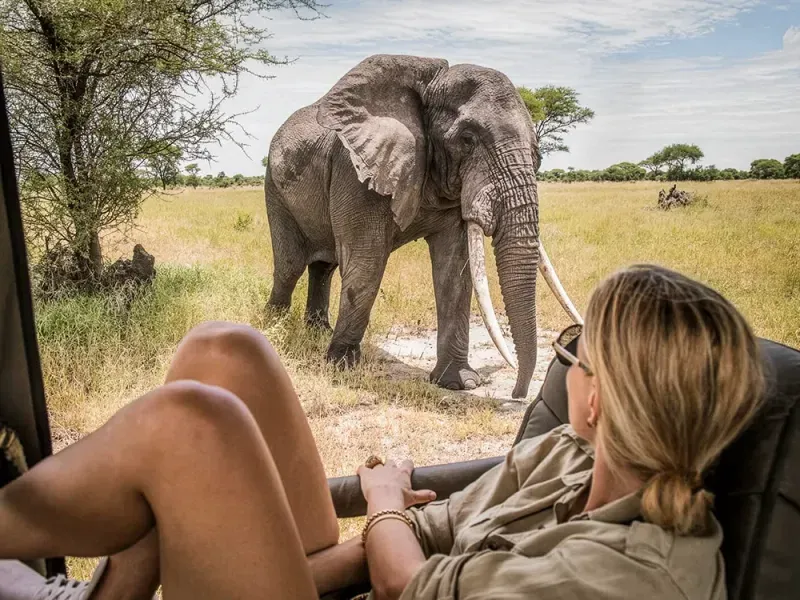
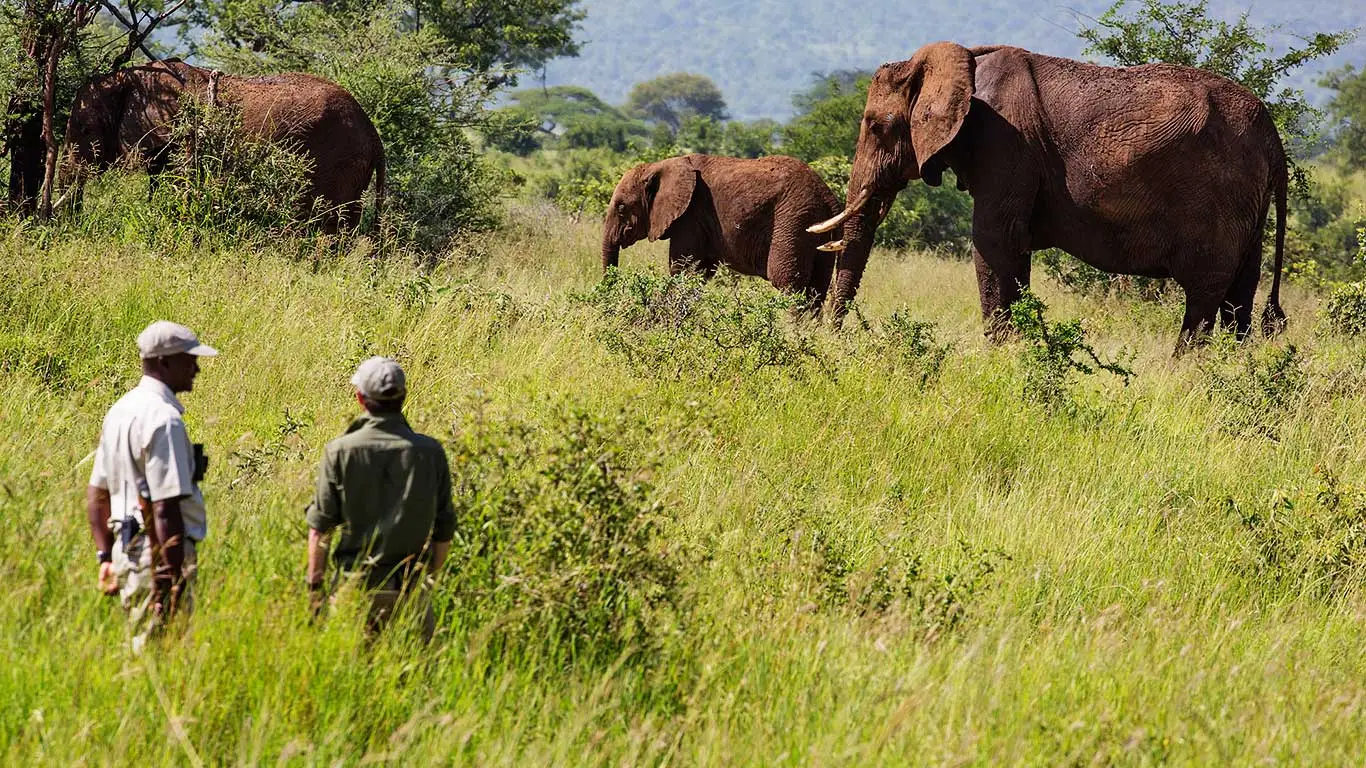
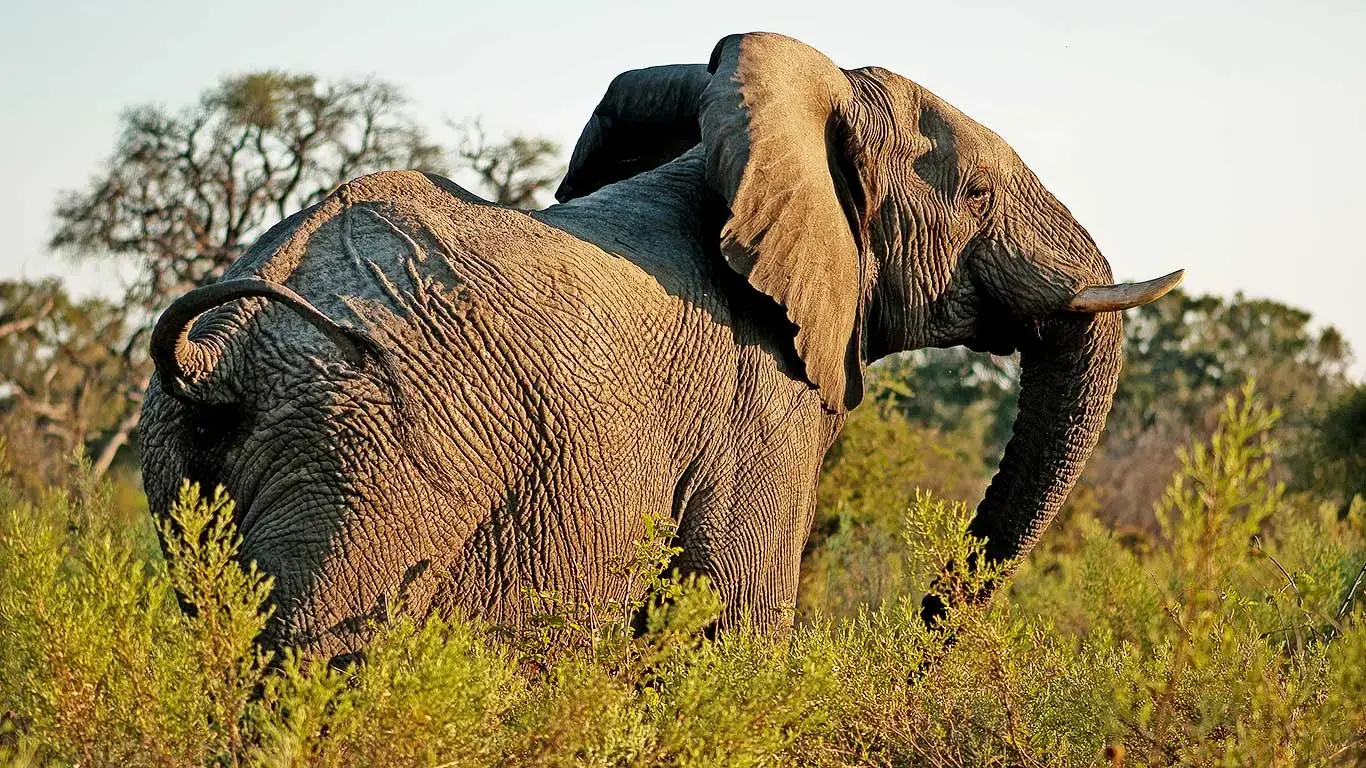
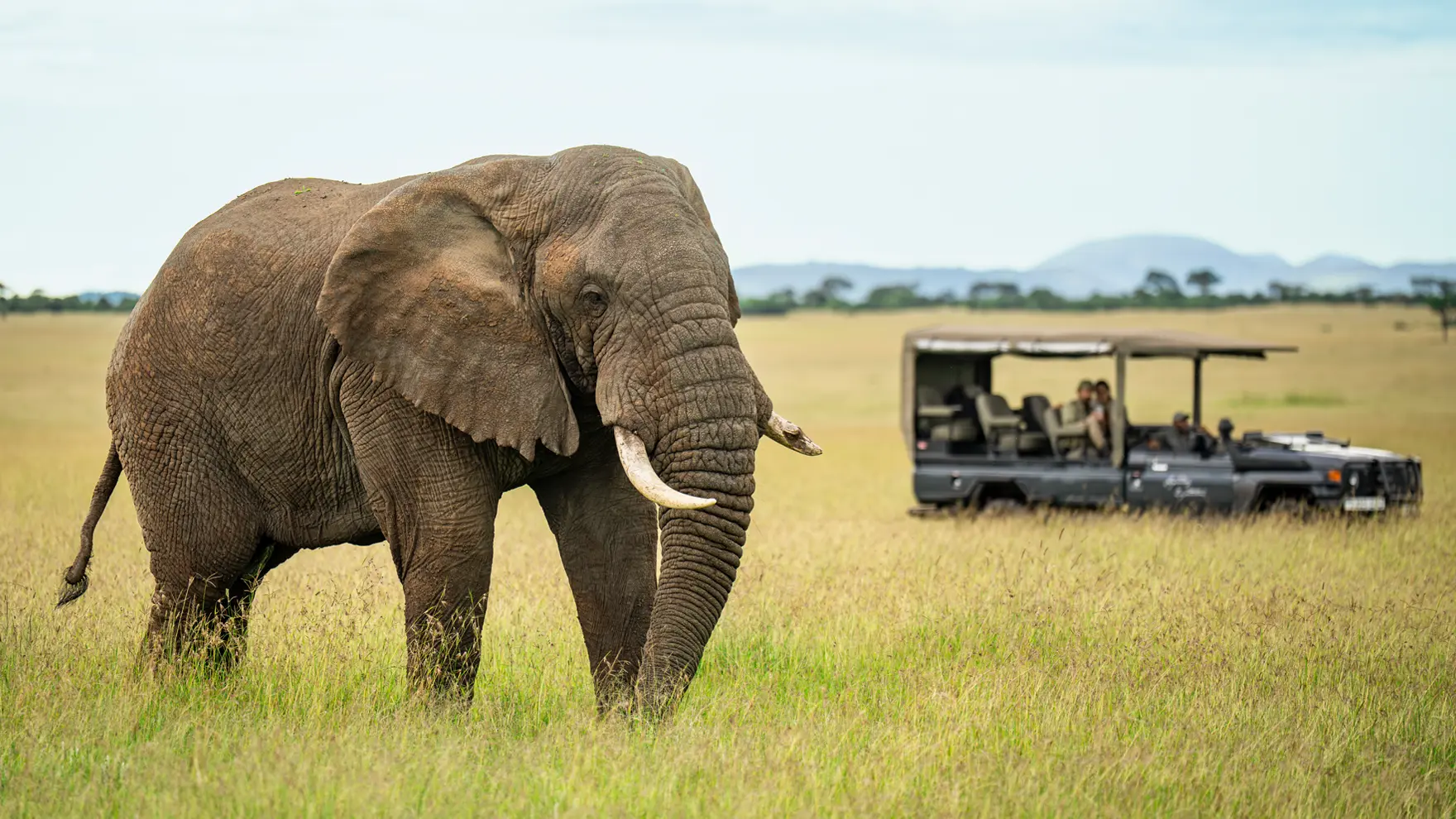
Tarangire is particularly famous for elephants. Large family groups can often be seen moving between feeding areas and water, sometimes gathering in impressive numbers around the river. Watching elephant families interact, protect their young, feed, bathe, and communicate is one of the most memorable experiences available on a Tanzania safari.
The park is also an excellent destination for travellers interested in photography. The combination of elephants and baobab trees creates some of Tanzania’s most recognizable safari scenes, while the warm evening light can transform the landscape into a spectacular backdrop for wildlife photography.
Another advantage is its location. Tarangire can be easily incorporated into a Northern Tanzania safari, making it an excellent first or final destination before continuing to Serengeti, Ngorongoro, or other attractions.
The Tarangire River and Seasonal Wildlife Movement
The Tarangire River plays an important role in the ecology of the park. During the dry season, water becomes increasingly scarce across the surrounding ecosystem, encouraging many animals to move toward reliable sources.
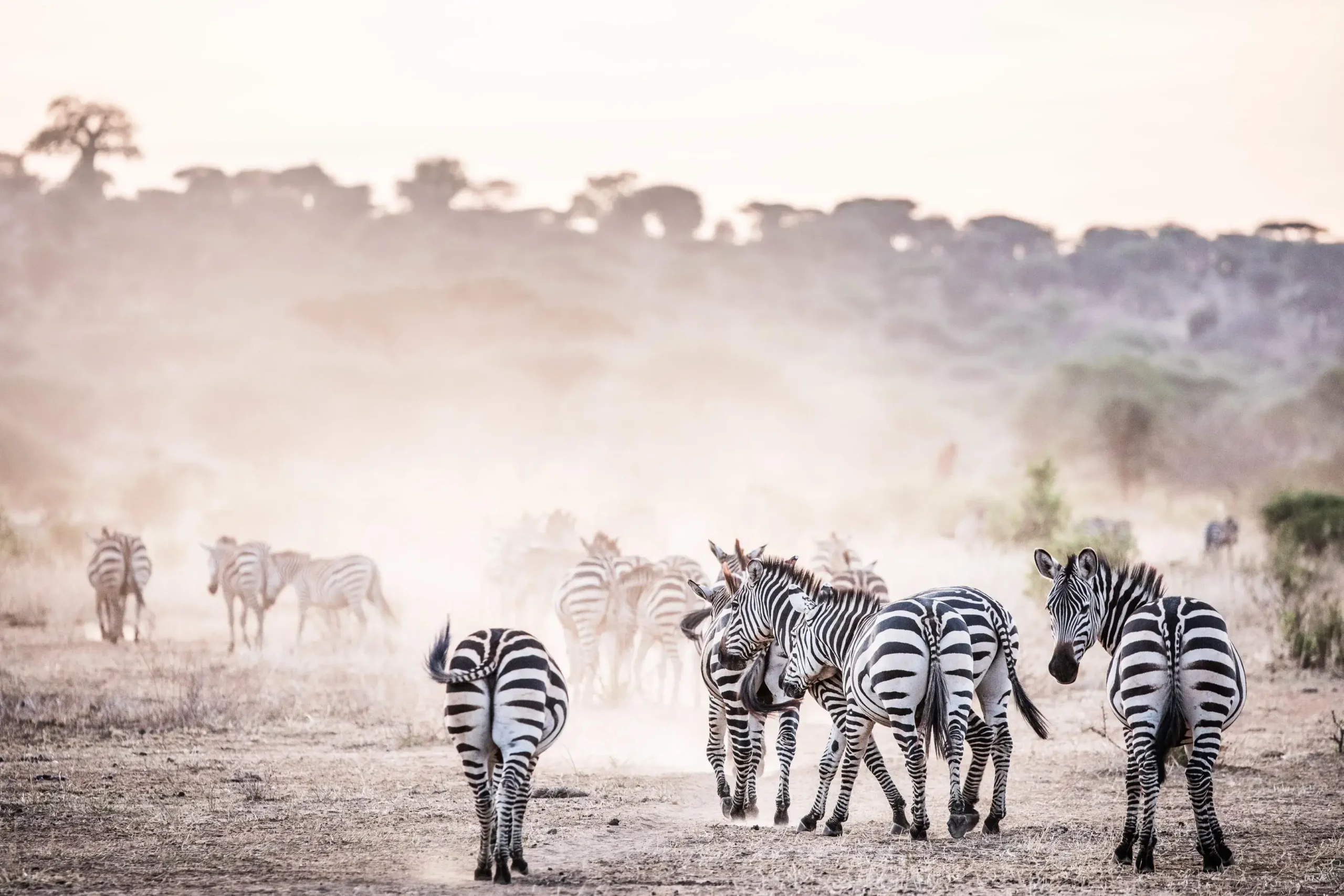
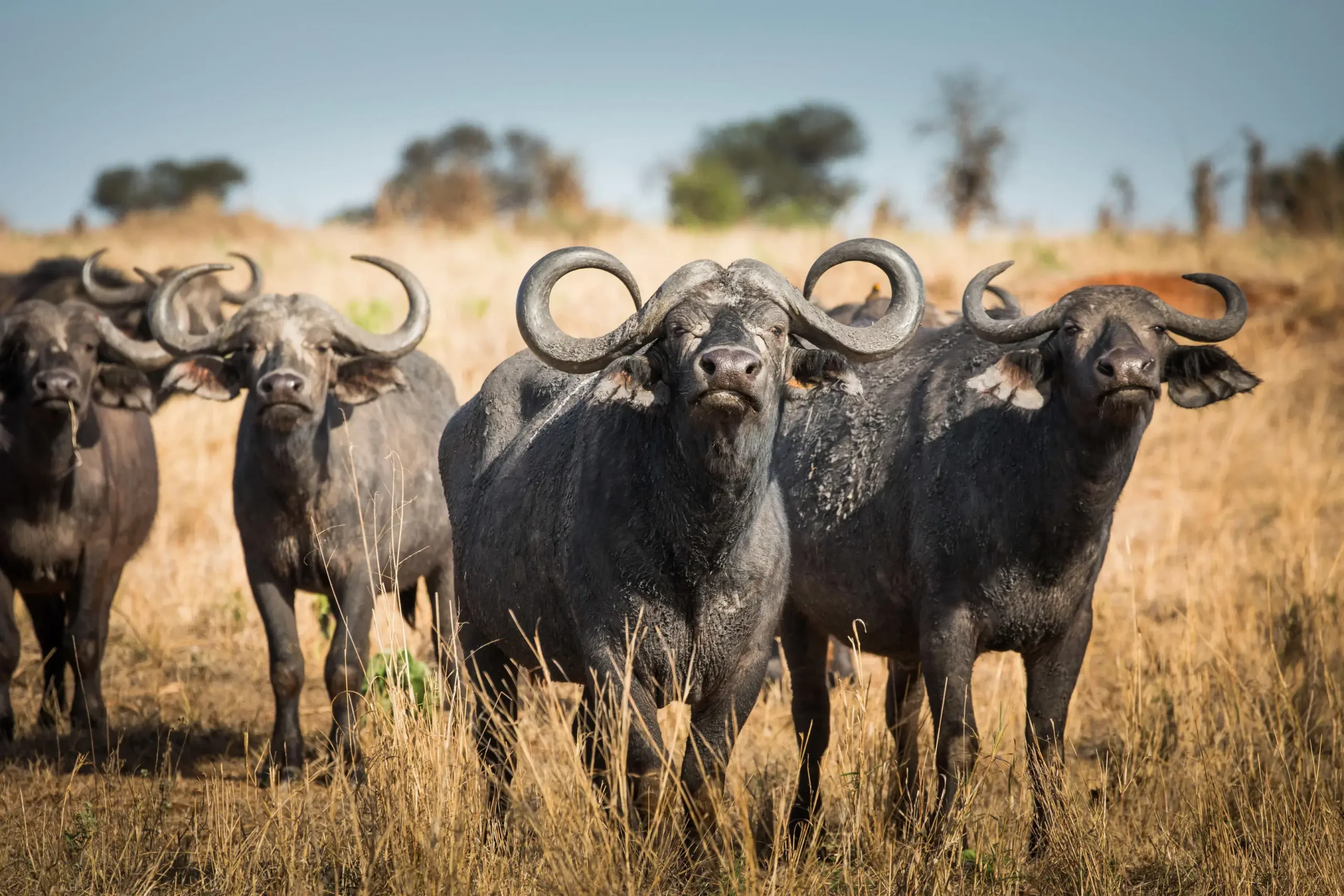
This seasonal movement means that Tarangire can become exceptionally productive for wildlife viewing during the dry months. Large groups of elephants, buffaloes, zebras, wildebeest, antelopes, and other animals may gather in areas close to water.
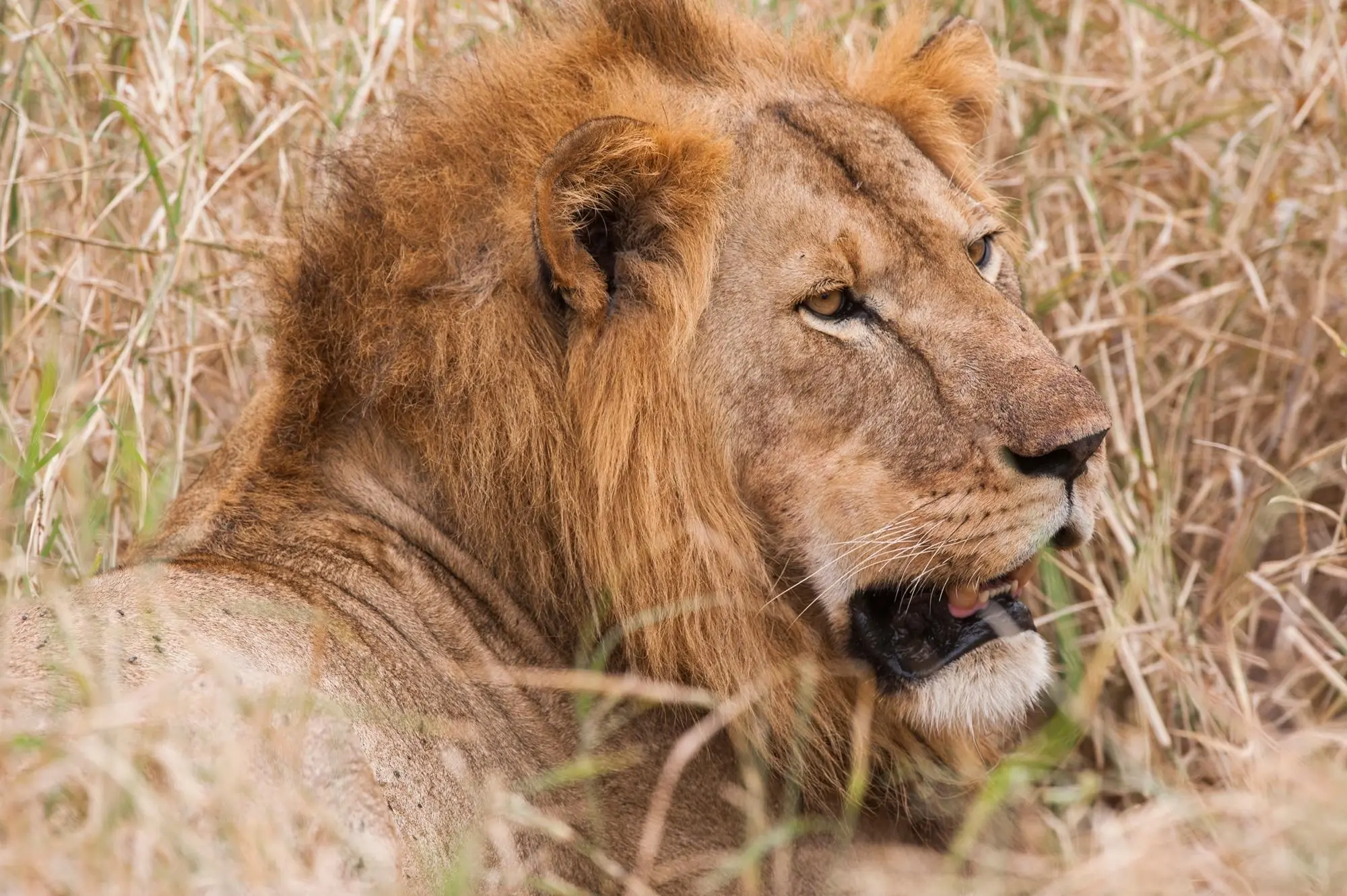
The wildlife movement also attracts predators. Where large numbers of herbivores gather, lions and other carnivores have greater opportunities to hunt.
It is this seasonal relationship between water, wildlife, and vegetation that makes Tarangire particularly fascinating for visitors who want to understand how African ecosystems function.
Wildlife in Tarangire National Park
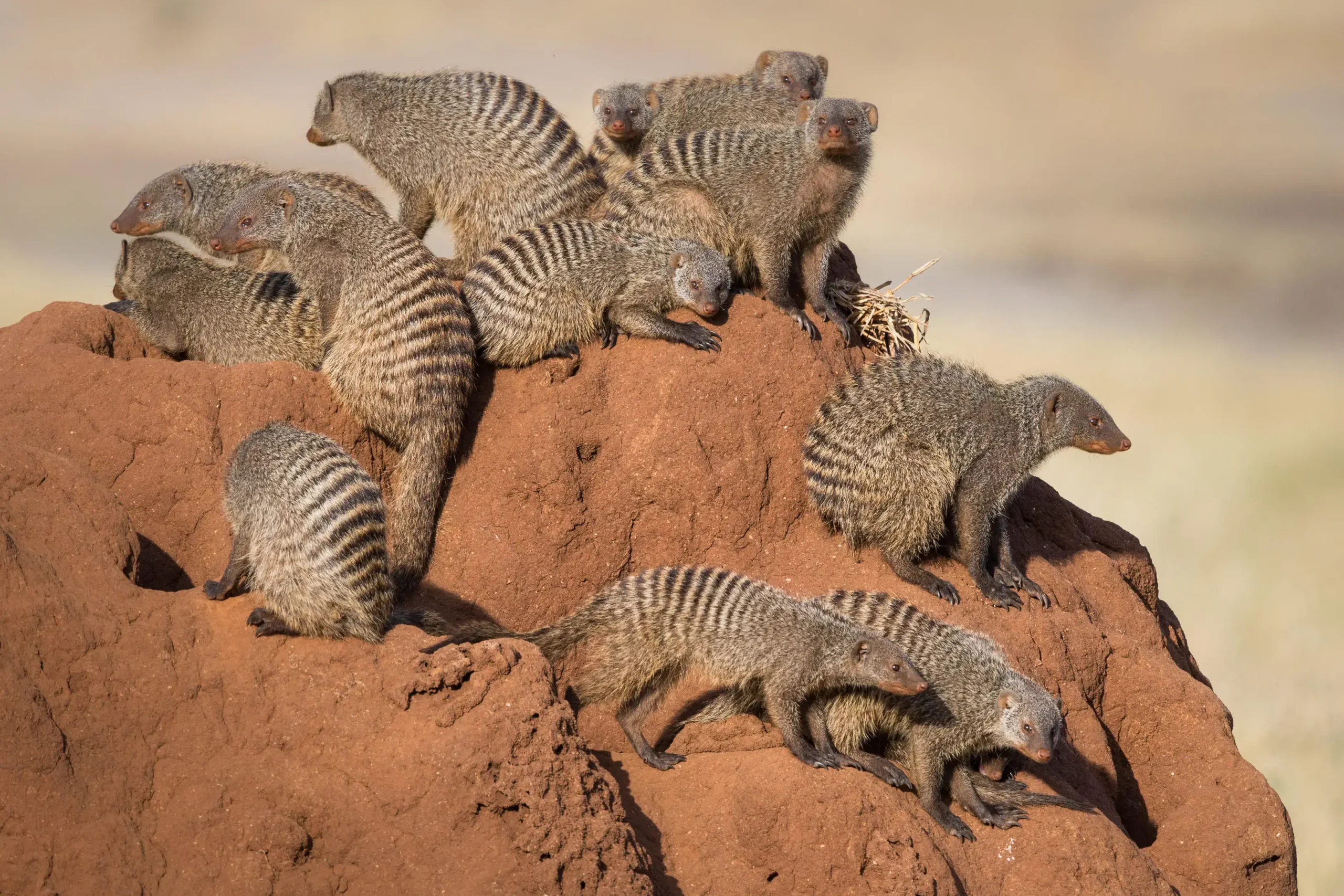
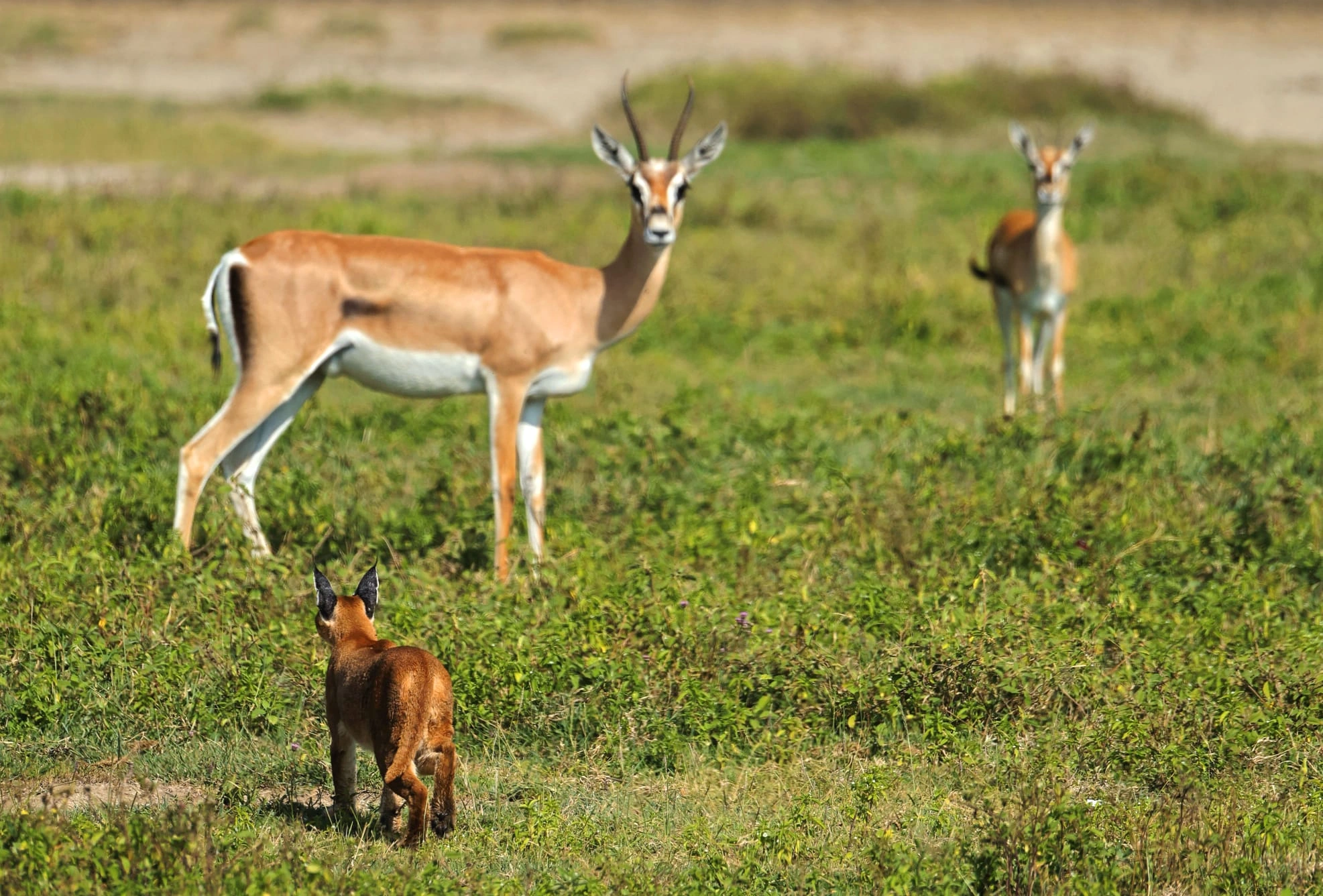
Tarangire National Park supports an impressive range of African wildlife, with particularly strong sightings during the dry season when animals concentrate around water. The park is home to elephants, buffaloes, giraffes, zebras, wildebeest, impalas, gazelles, warthogs, eland, hartebeest, and several other antelope species.
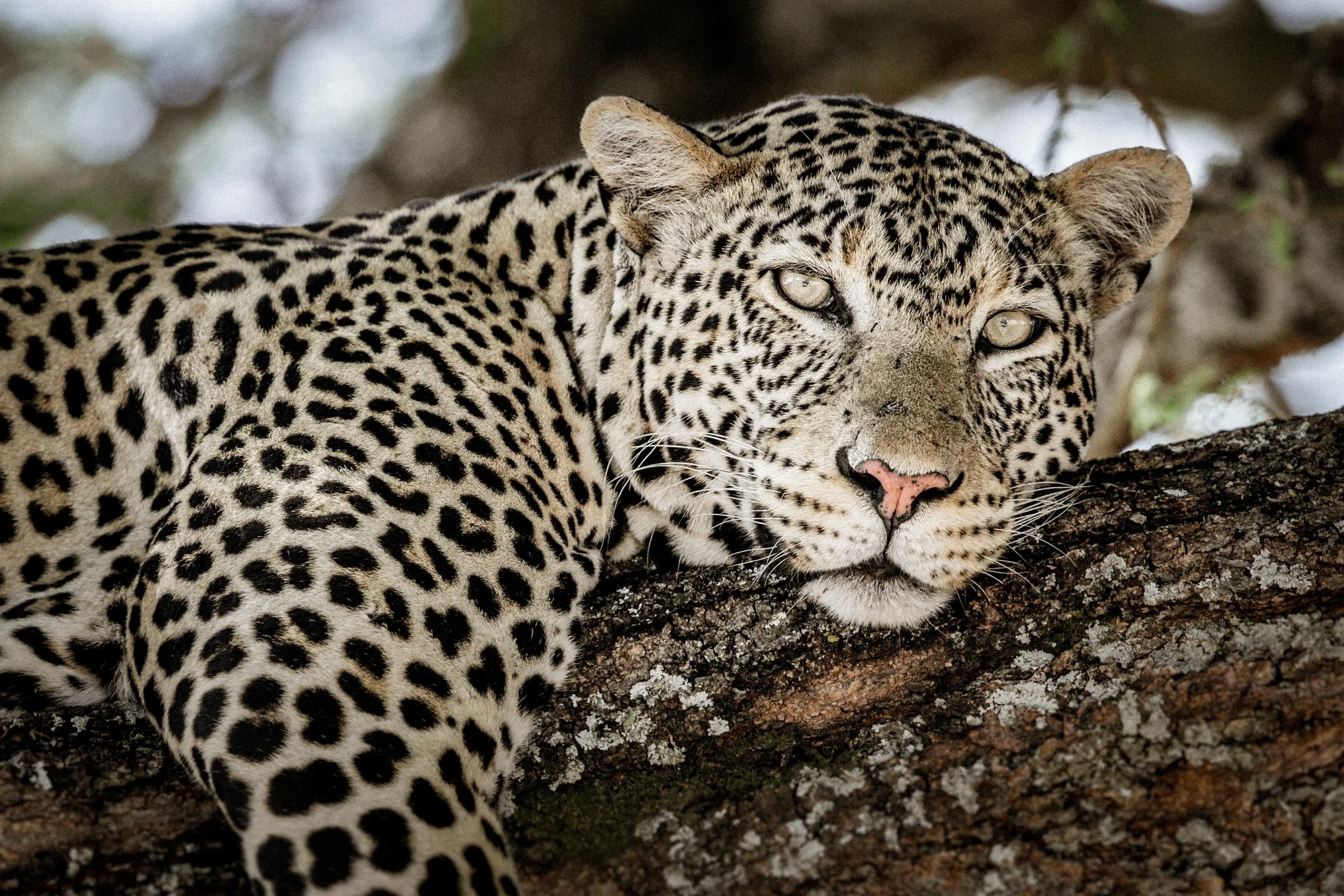
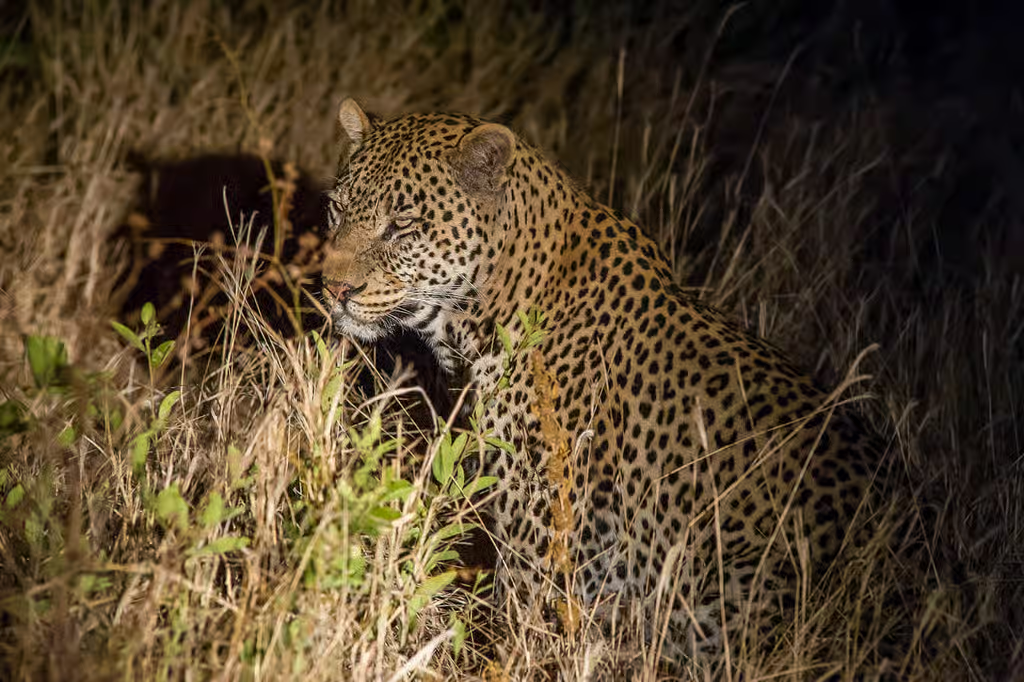
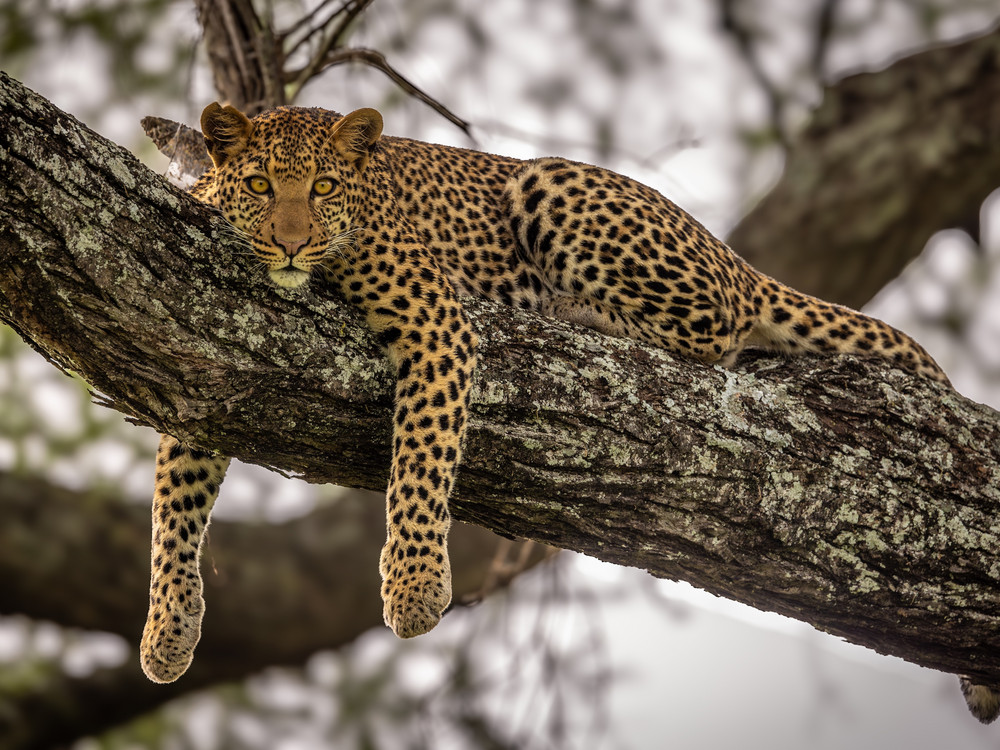
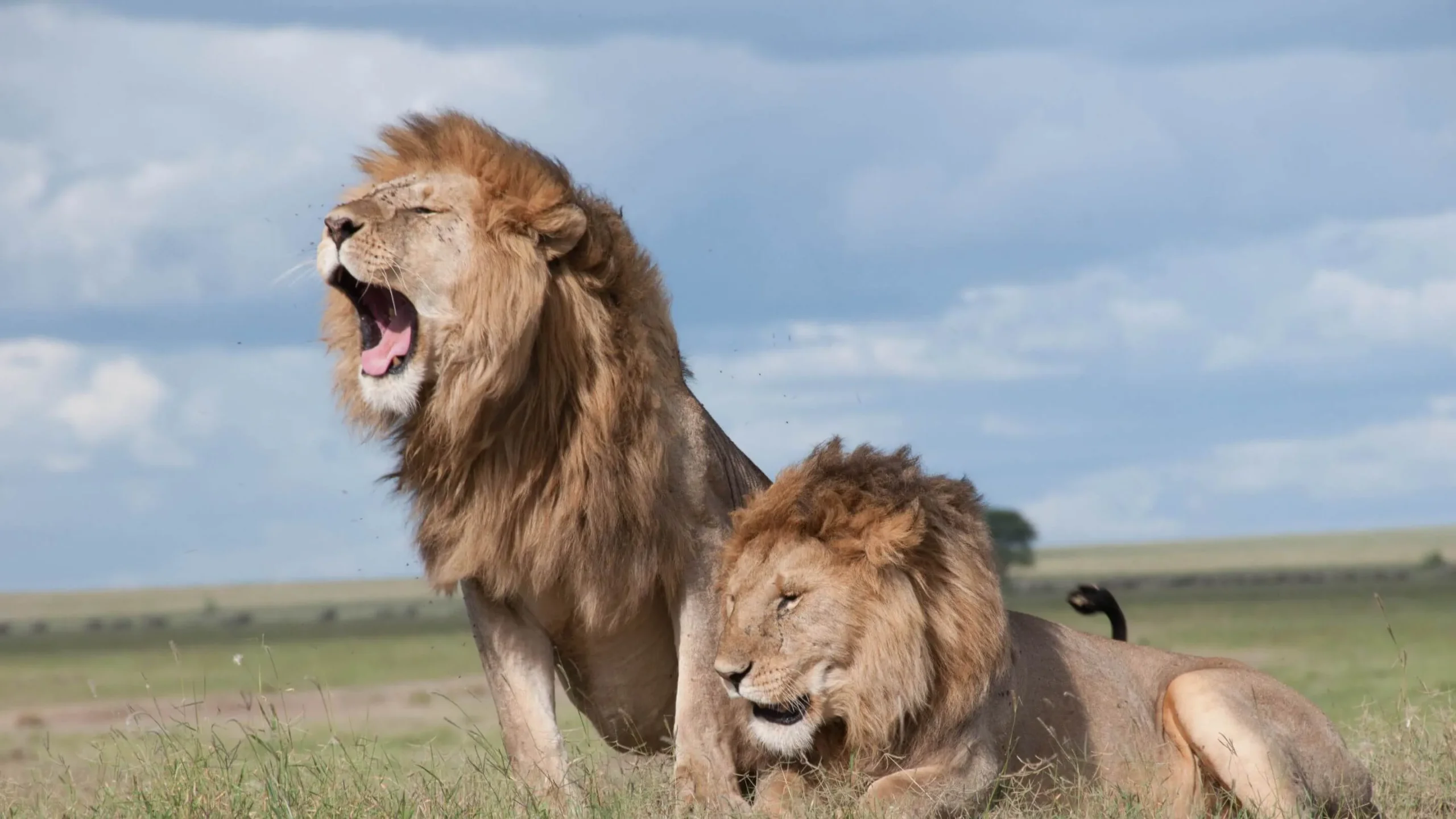
Predators are also present. Lions are regularly encountered, while leopards and cheetahs are more elusive and require patience and good guiding. Hyenas, jackals, and other smaller predators and scavengers add another dimension to the wildlife experience.
Tarangire is an excellent destination for bird lovers, with more than 500 bird species recorded in the park and surrounding ecosystem. The diversity of habitats supports both resident birds and seasonal migrants.
Bird enthusiasts may encounter colorful species such as yellow-collared lovebirds, hornbills, starlings, bee-eaters, weavers, eagles, vultures, and various raptors. Some dry-country species are particularly interesting because they are associated with the savannah environments of northern Tanzania.
A professional guide with knowledge of local birdlife can turn an ordinary game drive into a rewarding birding experience.
The Amazing Baobab Trees of Tarangire
The wildlife is only part of what makes a Tarangire National Park safari special. The park’s enormous baobab trees create one of the most distinctive landscapes in Tanzania.
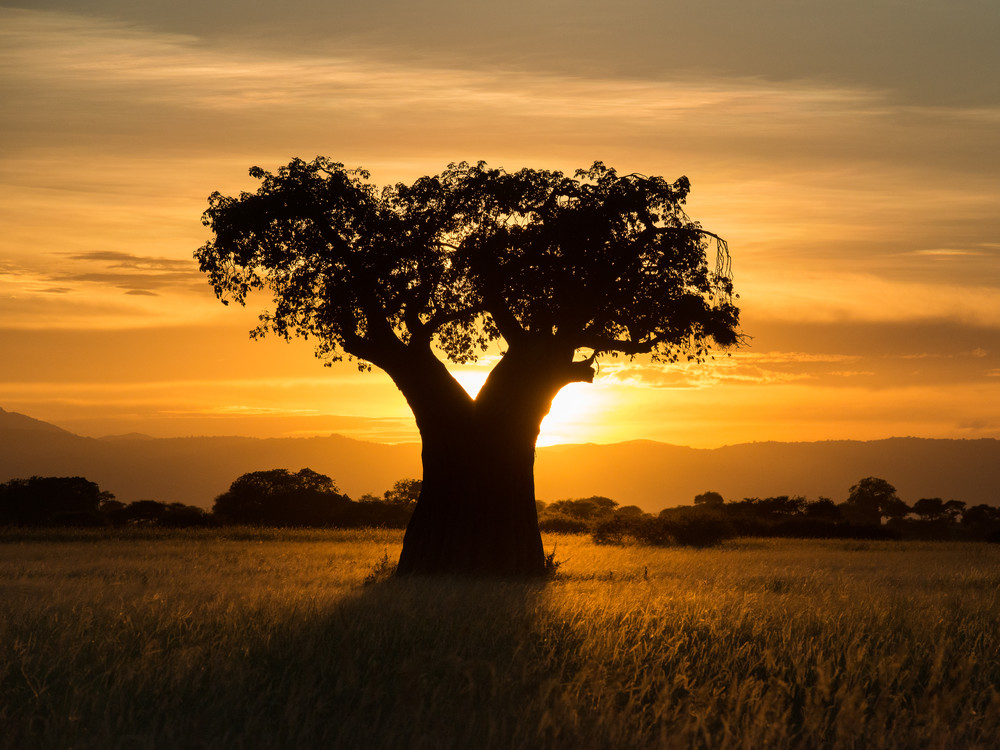
These ancient-looking trees have thick trunks capable of storing water, allowing them to survive in dry environments. Their unusual shapes and enormous size make them instantly recognizable and provide dramatic scenery throughout the park.
Driving through Tarangire with elephants moving beneath giant baobabs is an experience that feels distinctly African. The combination of wildlife, dry woodland, open grasslands, and enormous trees gives the park a personality that is very different from Serengeti.
The baobabs are also excellent subjects for photography, particularly around sunrise and sunset when soft light creates dramatic silhouettes.
How Long Should You Spend in Tarangire?
The ideal length of a Tarangire safari depends on your overall Tanzania itinerary. A one-day Tarangire safari can provide an excellent introduction to the park and is practical for travellers with limited time.
However, spending two nights or more allows you to experience the park at a slower pace and enjoy additional game drives. An overnight stay also means you do not have to rush through the park before continuing to another destination.
For a classic Northern Tanzania safari, Tarangire can be combined with Ngorongoro Crater and Serengeti National Park. This combination provides a varied experience, from Tarangire’s elephants and baobabs to Ngorongoro’s concentrated wildlife and Serengeti’s expansive plains.
Top Things to Do in Tarangire National Park
Tarangire National Park is one of Tanzania’s most rewarding safari destinations, famous for its large elephant herds, enormous baobab trees, diverse wildlife, and beautiful seasonal landscapes. The park offers much more than a traditional game drive, with experiences ranging from bird watching and walking safaris to night wildlife experiences in permitted areas
Best Time for a Tarangire National Park Safari
The best time to visit Tarangire National Park for wildlife viewing is generally during the dry season, particularly from July to October and into November. During these months, water becomes scarcer outside the park and animals increasingly concentrate around the Tarangire River and remaining water sources.
Vegetation is also less dense than during the wetter months, which can make wildlife easier to spot. The combination of concentrated animals, relatively dry roads, and sunny weather creates excellent conditions for game drives.
June to October – Excellent Wildlife Viewing: The dry season provides some of the most rewarding conditions for a Tarangire safari. Elephants become highly visible, large herbivore herds gather around water, and predators can be easier to locate.
June can bring a gradual transition into the dry season, while July through October generally offers increasingly dry conditions and strong wildlife concentrations.
November to May – Green Season; The wetter months transform Tarangire into a greener landscape. Wildlife becomes more dispersed as water and fresh vegetation become available in different parts of the ecosystem.
This season can be attractive for travellers who enjoy lush scenery, fewer visitors, and bird watching. Migratory birds are also present during the wetter months, adding another reason for bird enthusiasts to consider a green-season safari.
For travellers seeking lower visitor numbers and a different view of Tanzania’s wilderness, the wet season should not automatically be dismissed.
Where to Stay for a Tarangire National Park Safari
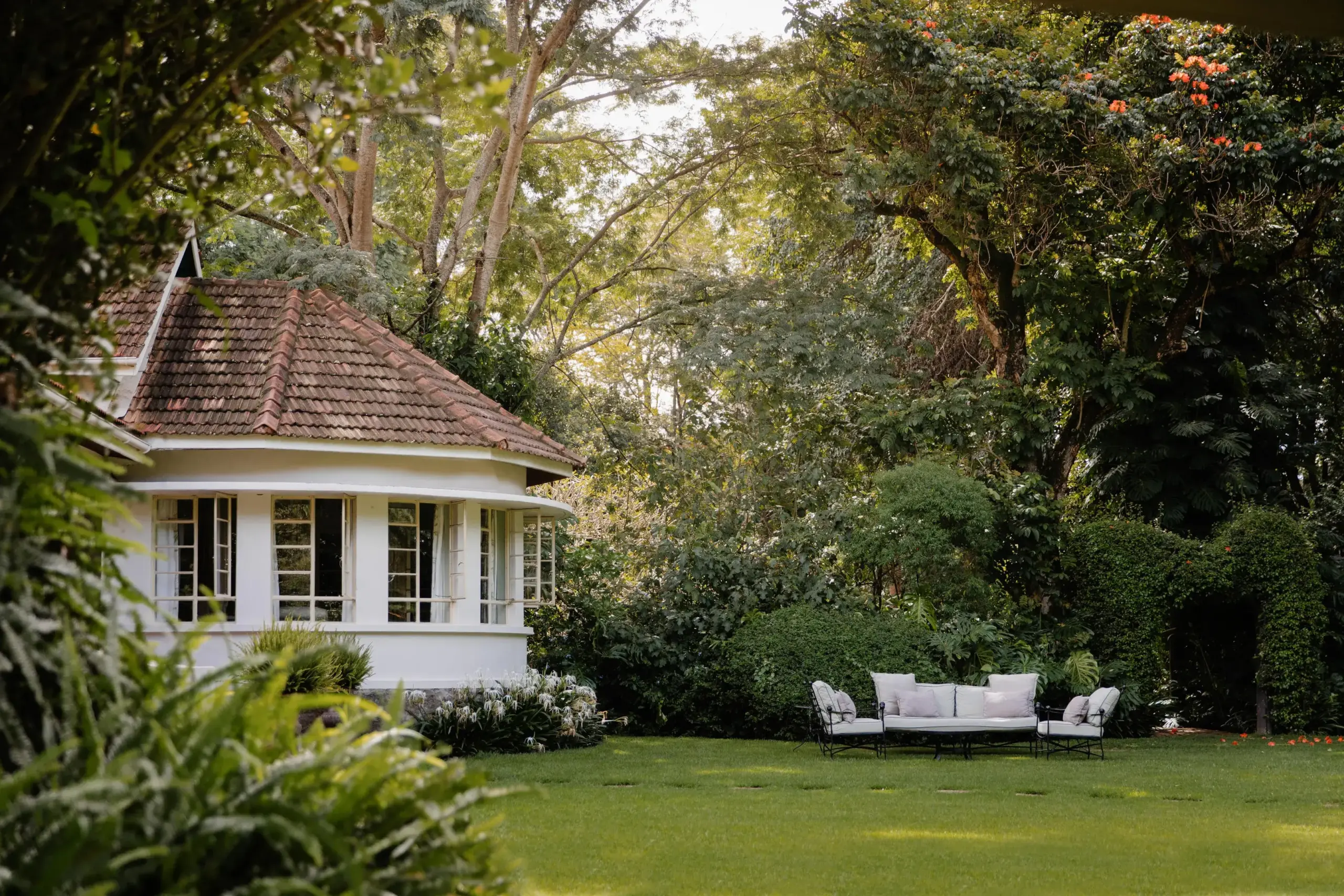
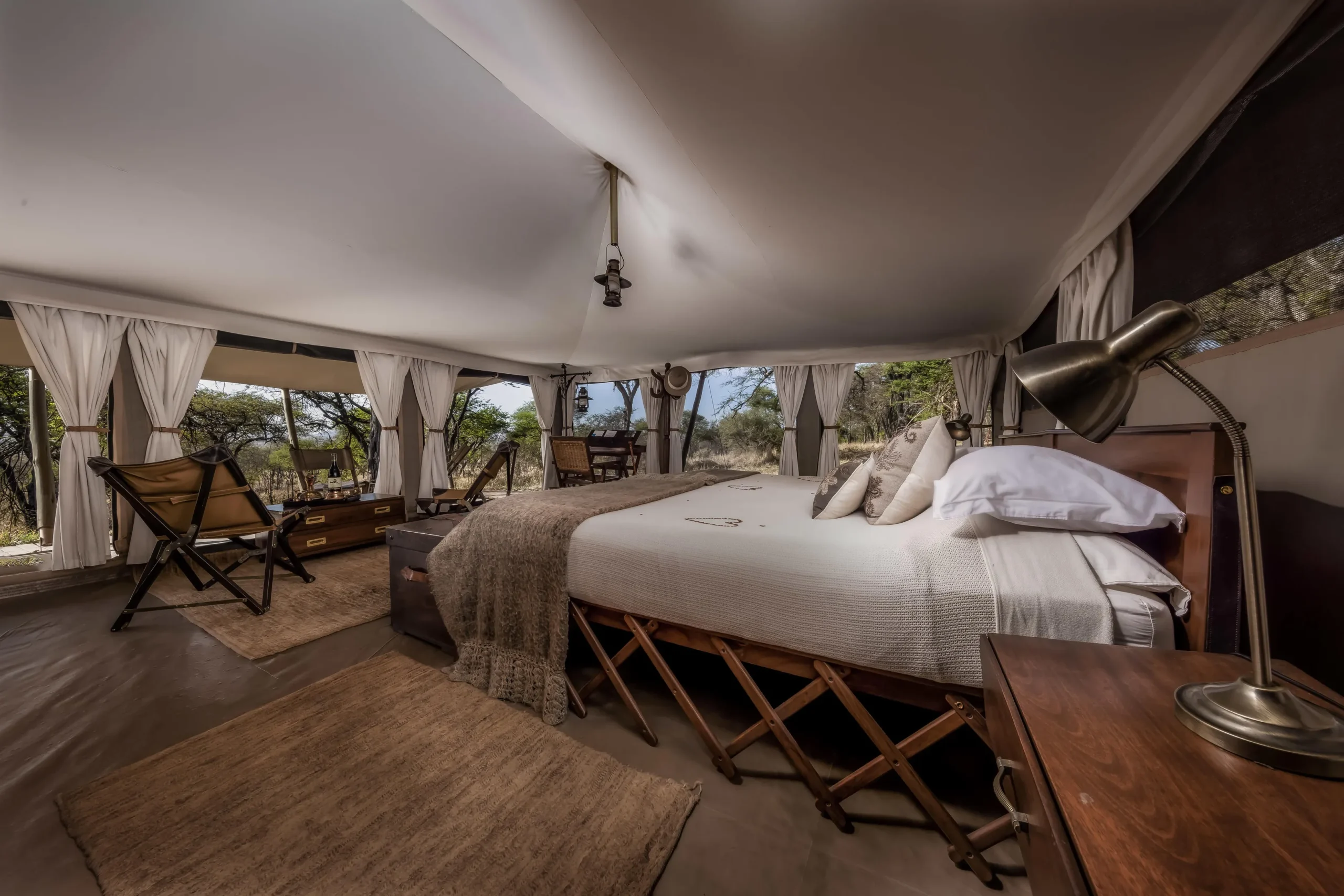
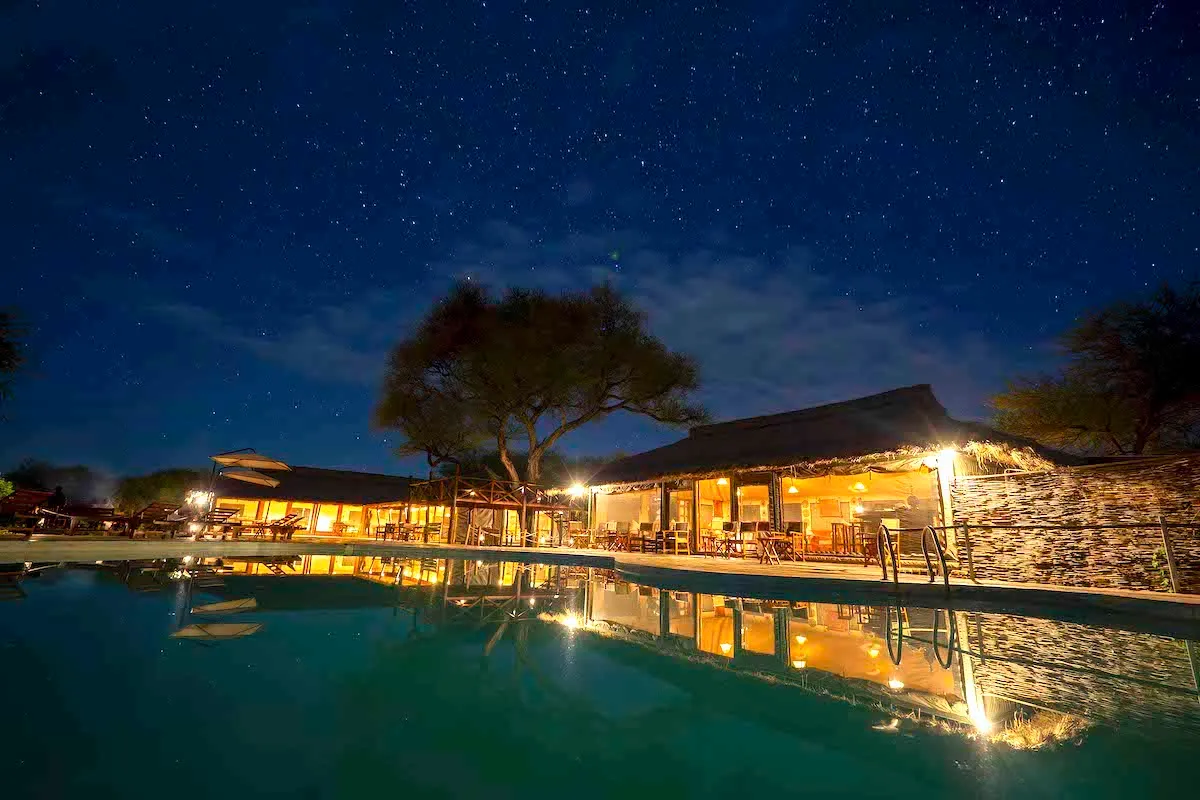
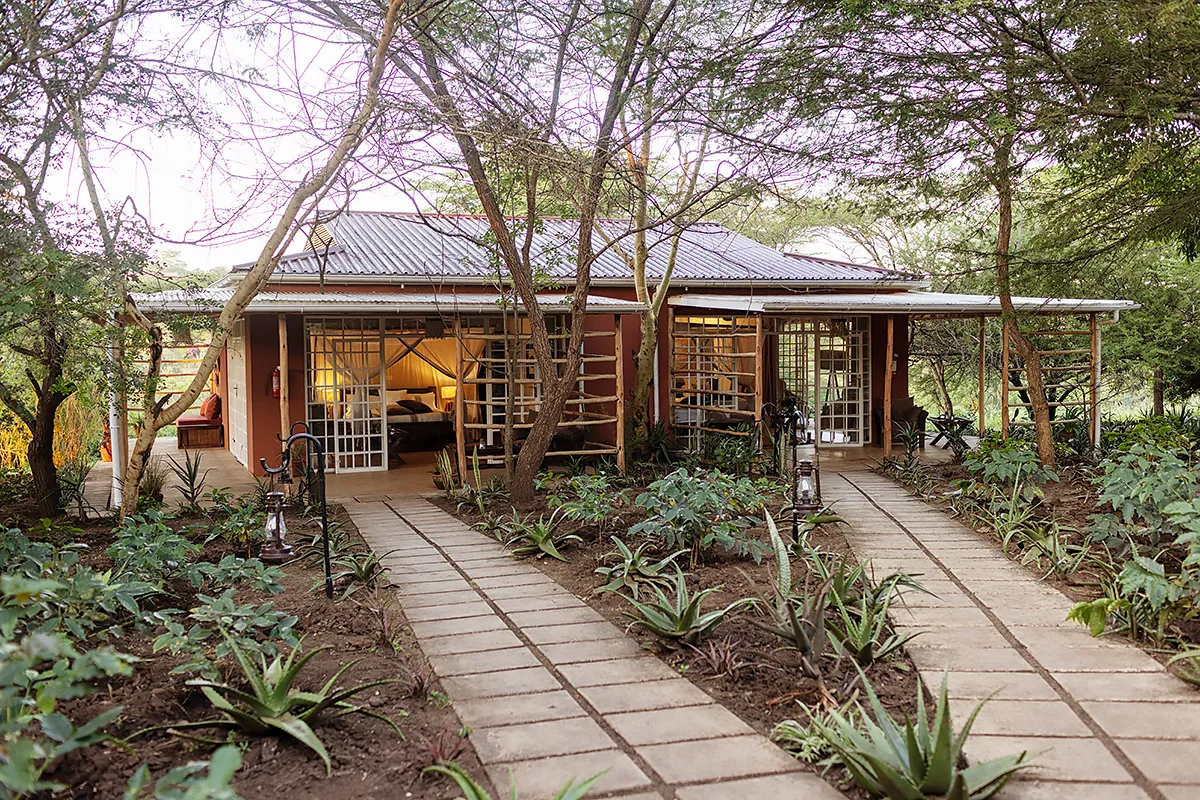
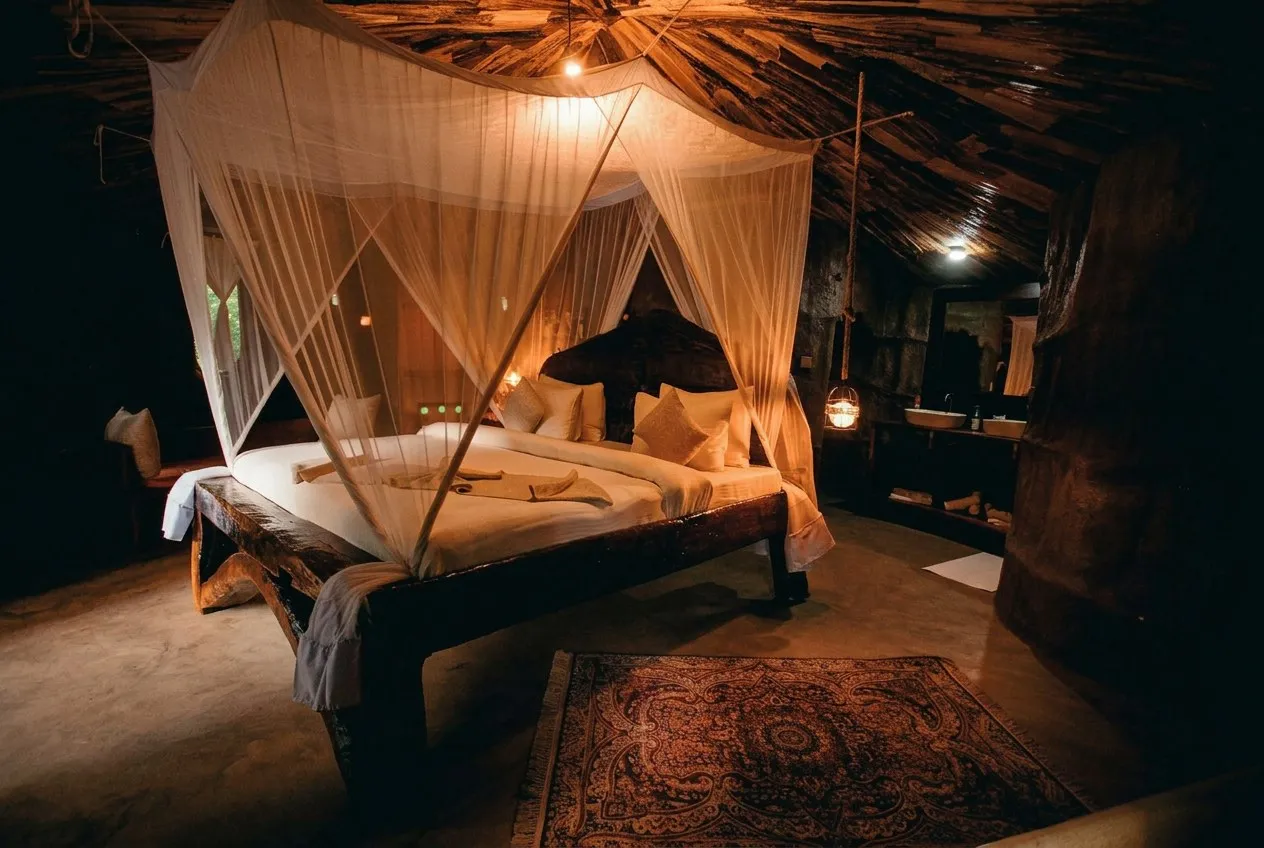
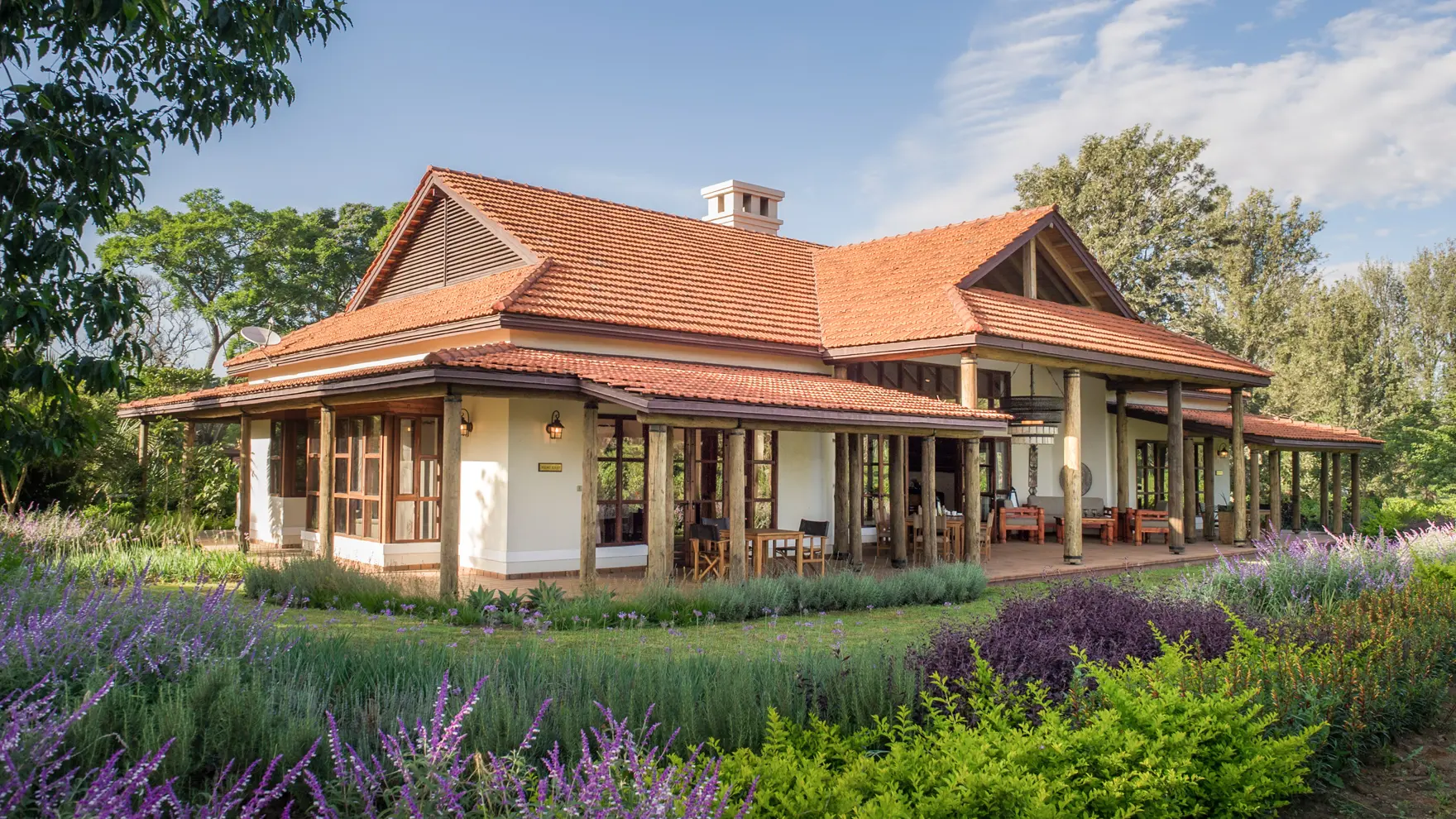
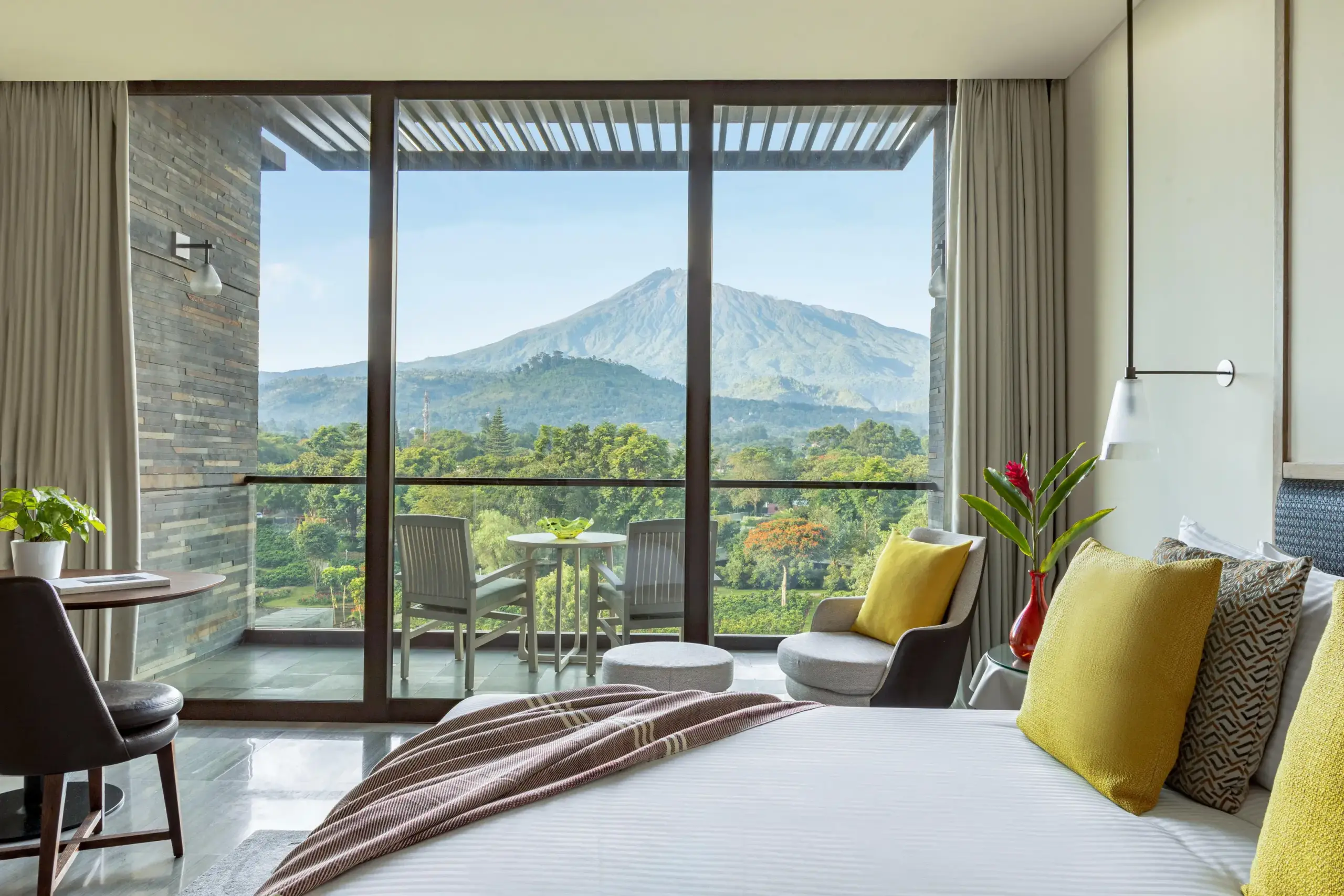
Tarangire offers a wonderful choice of safari lodges and tented camps, from comfortable mid-range stays to exclusive luxury retreats. Staying inside or near the park allows you to enjoy early morning game drives, peaceful wilderness, and stunning views. Choose your accommodation based on your budget, safari style, location, and preferred level of comfort.

How to Get to Tarangire National Park
Tarangire is one of the more accessible safari destinations in northern Tanzania. Most travellers reach the park by safari vehicle from Arusha.
The drive from Arusha to the Tarangire entrance generally takes around 2 to 3 hours, depending on the exact starting point, road conditions, and stops along the way.
Because of its convenient location, Tarangire is often included as the first national park on a Northern Tanzania safari. After exploring the park, travellers can continue toward Lake Manyara, Karatu, Ngorongoro, or Serengeti.
Private safari vehicles provide flexibility because your guide can decide how long to spend at wildlife sightings and where to stop for photographs.