
Overview of Ngorongoro Crater
The Ngorongoro Crater is one of the most remarkable destinations you can have in Tanzania. Descending from the misty crater rim onto the vast grasslands below feels like entering a completely different world. Surrounded by towering volcanic walls and filled with wildlife, wetlands, woodland and open plains, the crater offers an extraordinary combination of scenery and game viewing within a remarkably compact area.
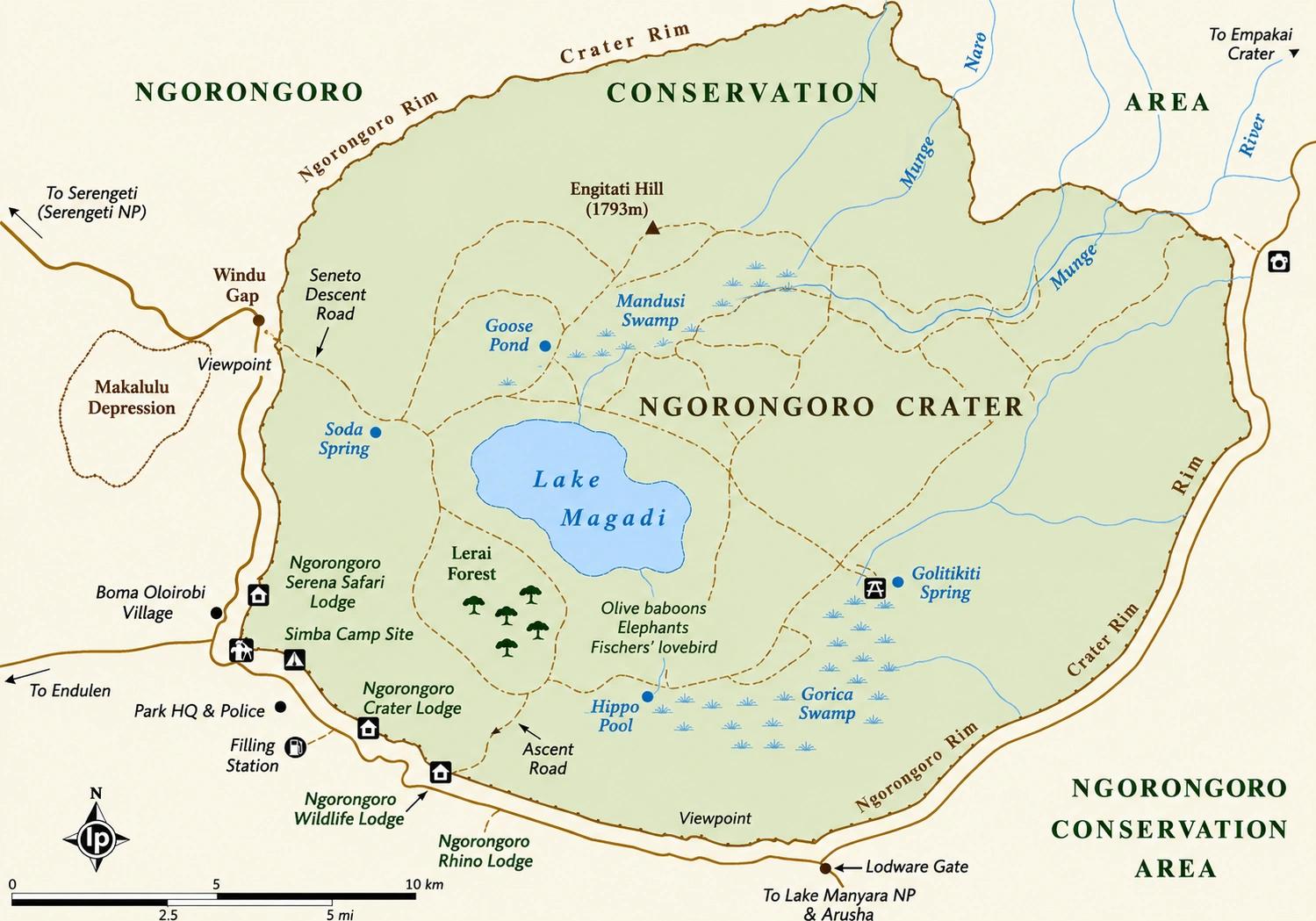
Located in northern Tanzania within the 8,292-square-kilometre Ngorongoro Conservation Area, Ngorongoro Crater is the world’s largest intact volcanic caldera. The crater itself covers approximately 260 square kilometres, with walls rising to around 600 metres above the floor. This dramatic natural setting is one of the reasons Ngorongoro remains one of the most sought-after destinations on a Tanzania safari.
For travellers looking for exceptional wildlife viewing, spectacular landscapes and a deeper connection with Tanzania’s natural and cultural heritage, a Ngorongoro Crater safari provides an experience that is difficult to match. Wildlife can be seen throughout the year, while the crater rim offers unforgettable sunrise and sunset views across the ancient volcanic basin.
Why Go on a Ngorongoro Crater Safari?
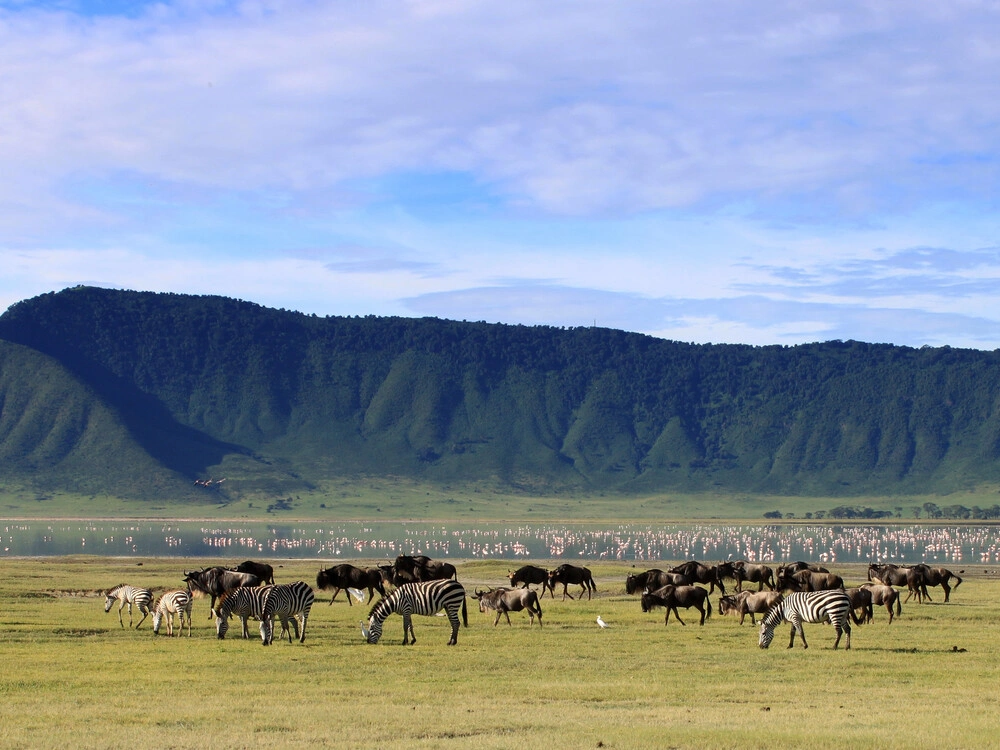
What makes a Ngorongoro safari so special is the combination of wildlife concentration, scenery and accessibility. Unlike the enormous landscapes of the Serengeti, where a game drive can cover great distances in search of wildlife, the crater creates a naturally contained environment where many animals live within a relatively small area.
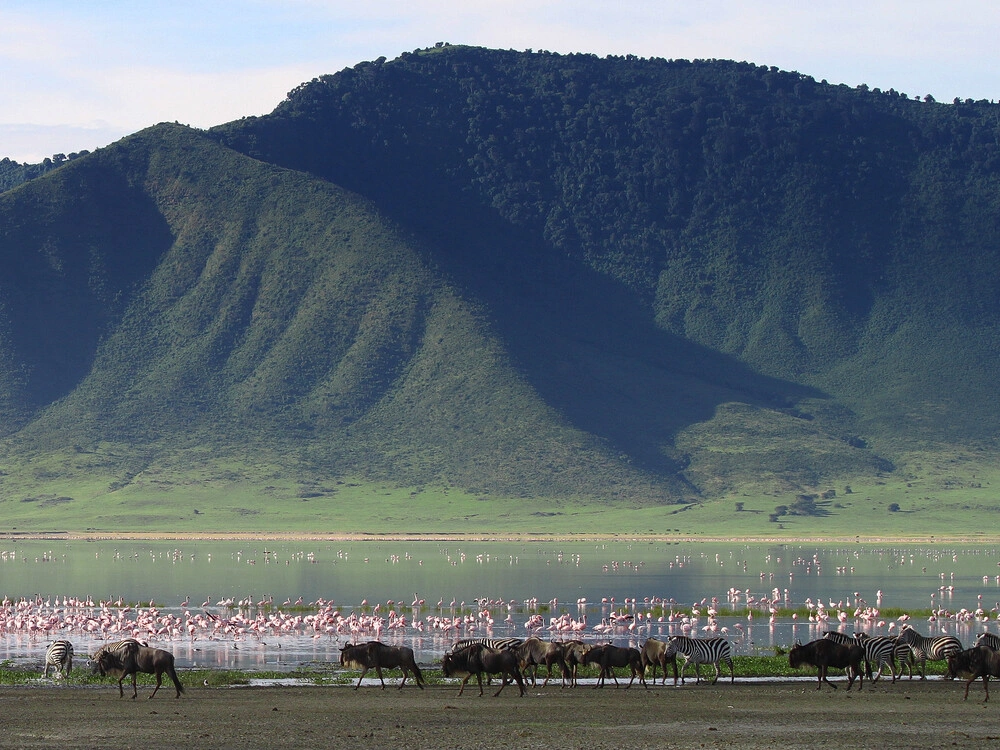
As your safari vehicle descends the winding road from the crater rim, the landscape gradually opens into an immense green and golden basin. The crater floor contains grasslands, marshes, woodland and the shallow waters of Lake Magadi, creating a variety of habitats that support a remarkable concentration of wildlife.
The experience is not simply about seeing wildlife. It is about being surrounded by a landscape shaped by millions of years of volcanic activity and watching nature unfold beneath the dramatic crater walls. Early morning mist may linger along the rim while sunlight reaches the floor, creating an atmosphere that makes the first moments of a game drive particularly memorable.
For travellers combining several destinations, Ngorongoro Crater also fits naturally into a northern Tanzania safari itinerary with Tarangire National Park, Lake Manyara National Park and Serengeti National Park.
Ngorongoro Crater Wildlife and the Big Five
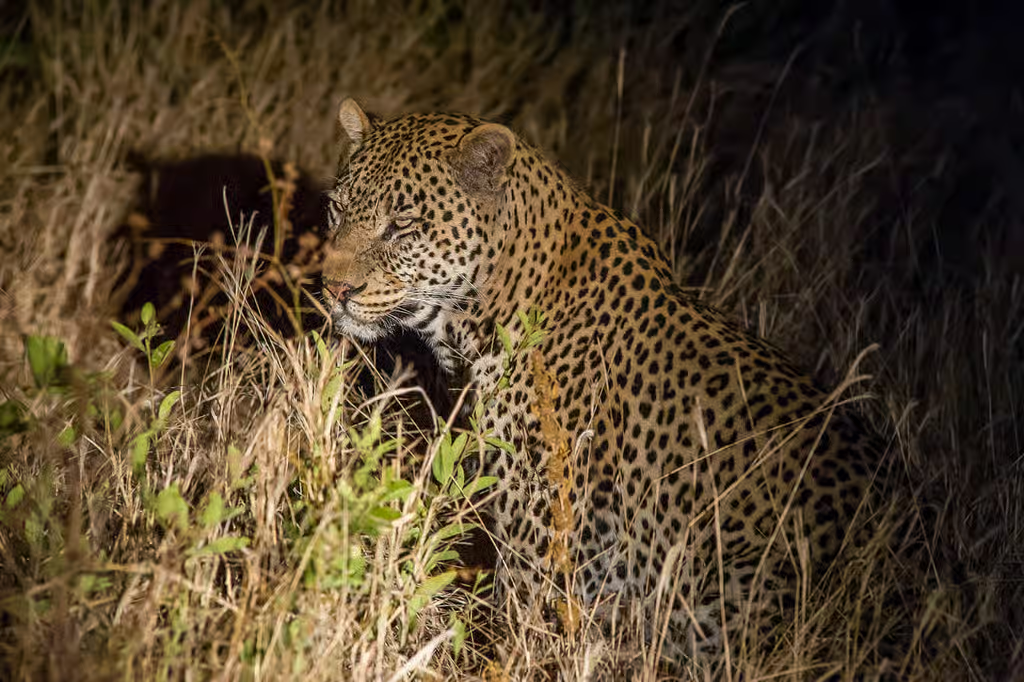
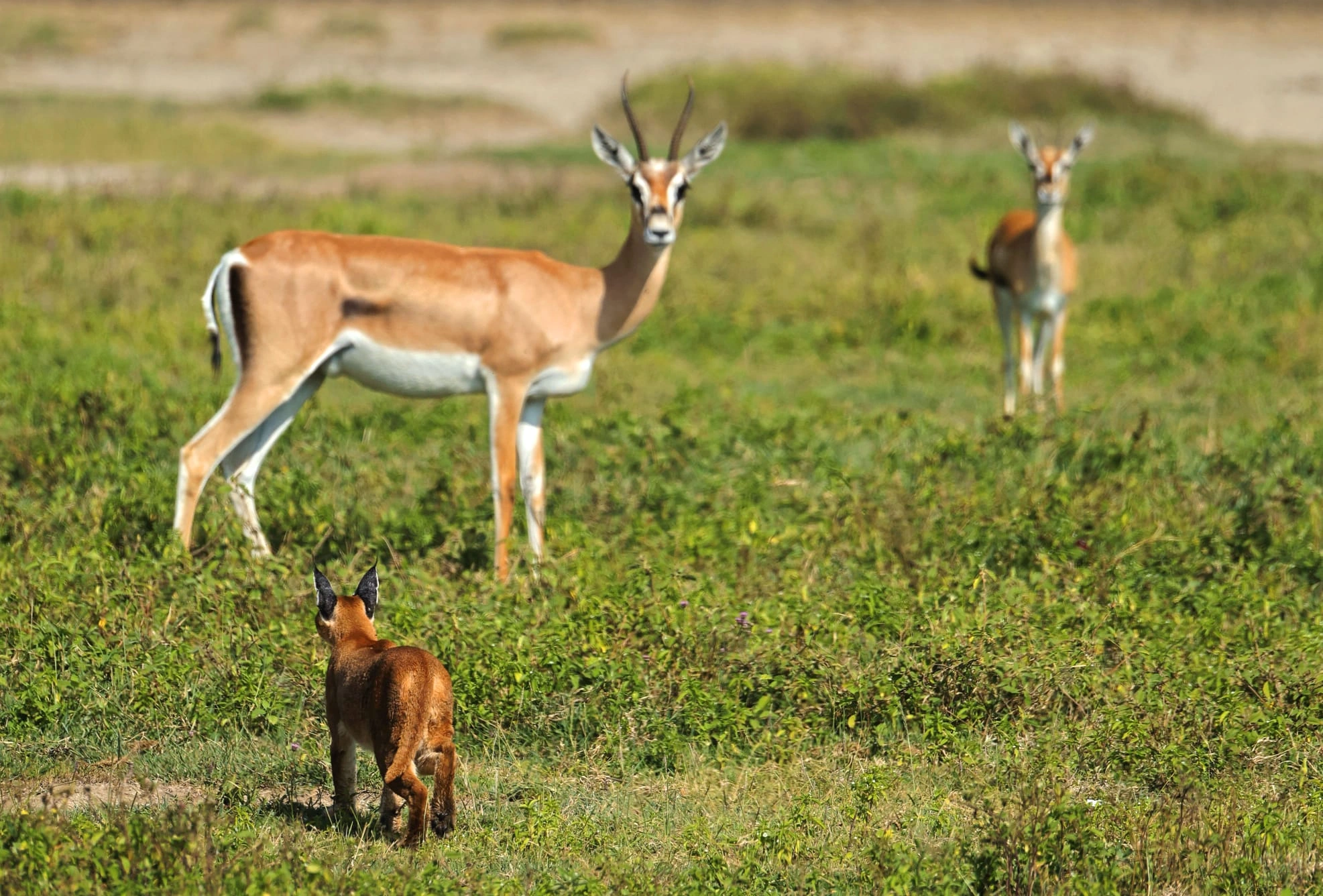
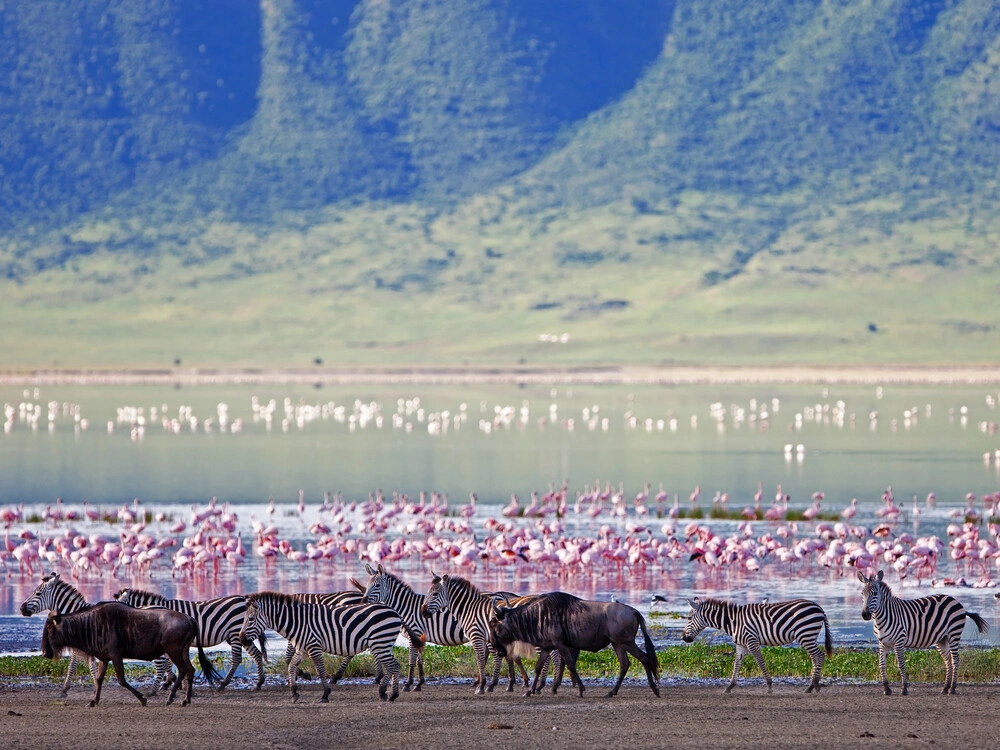
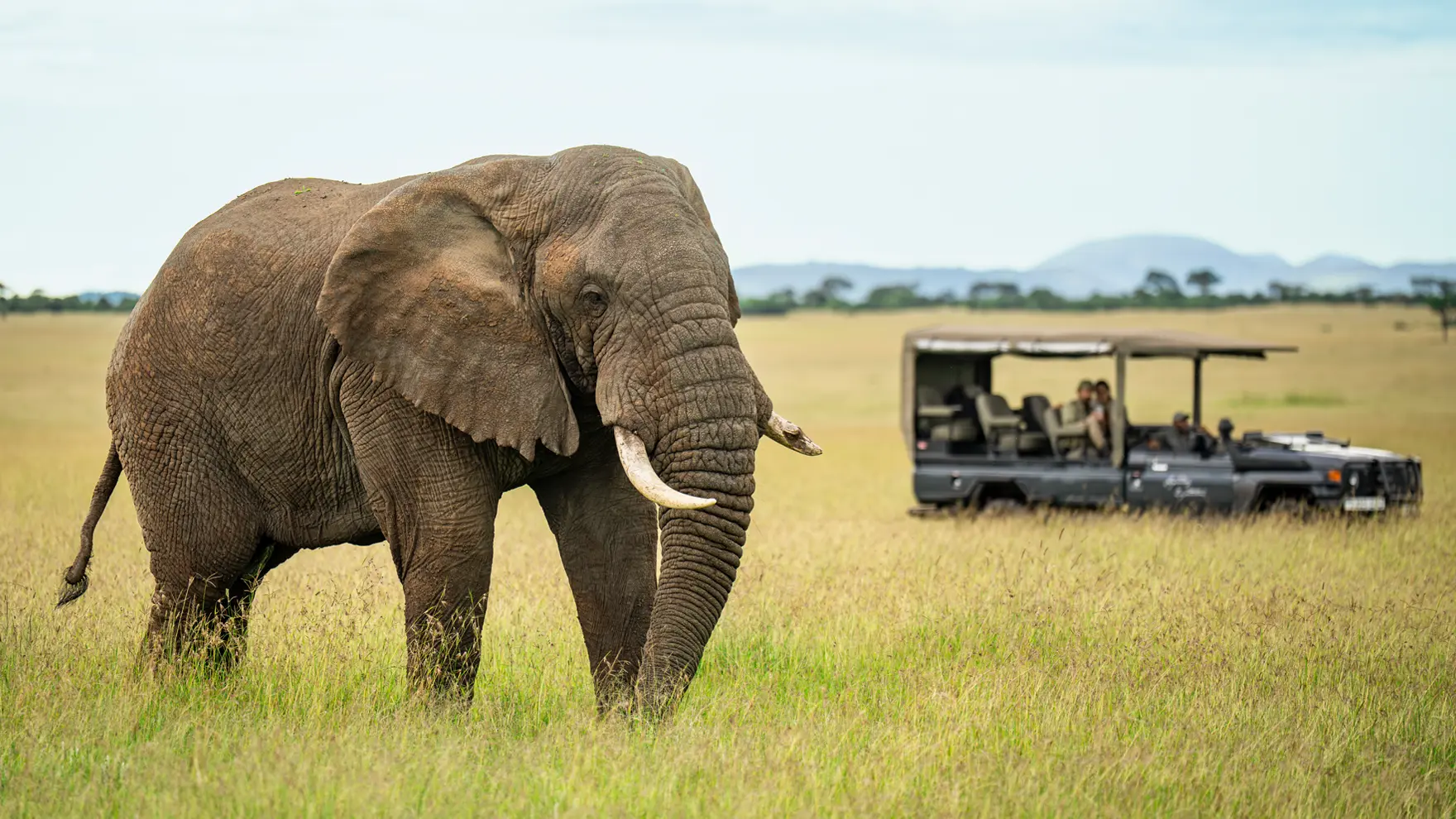
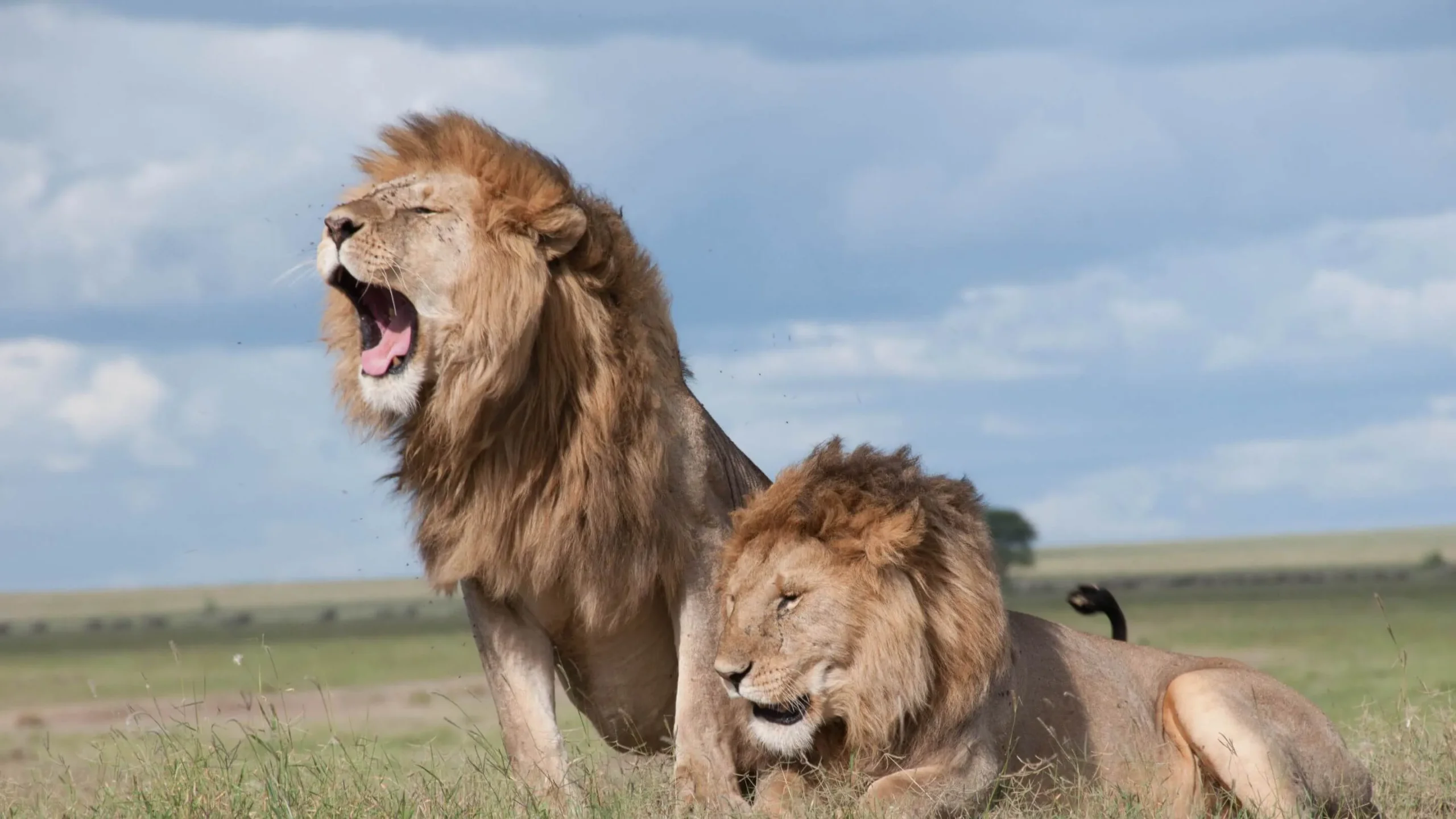
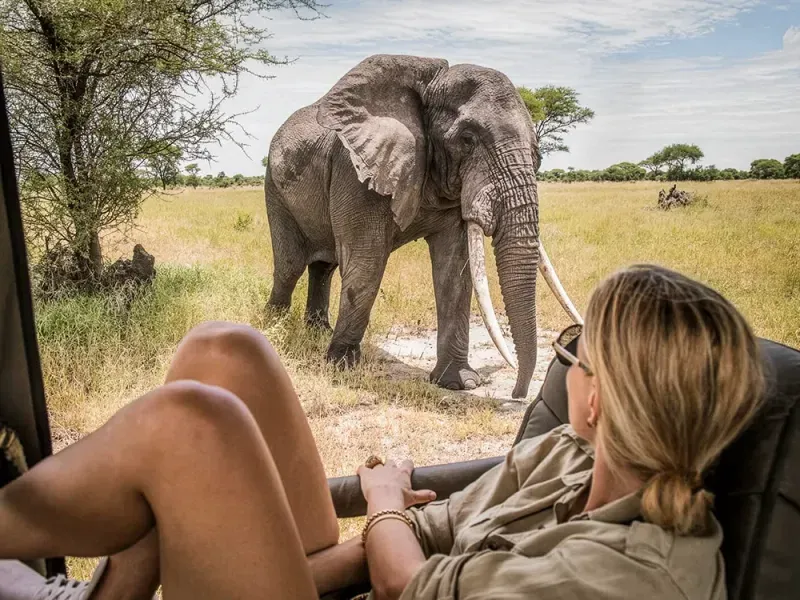
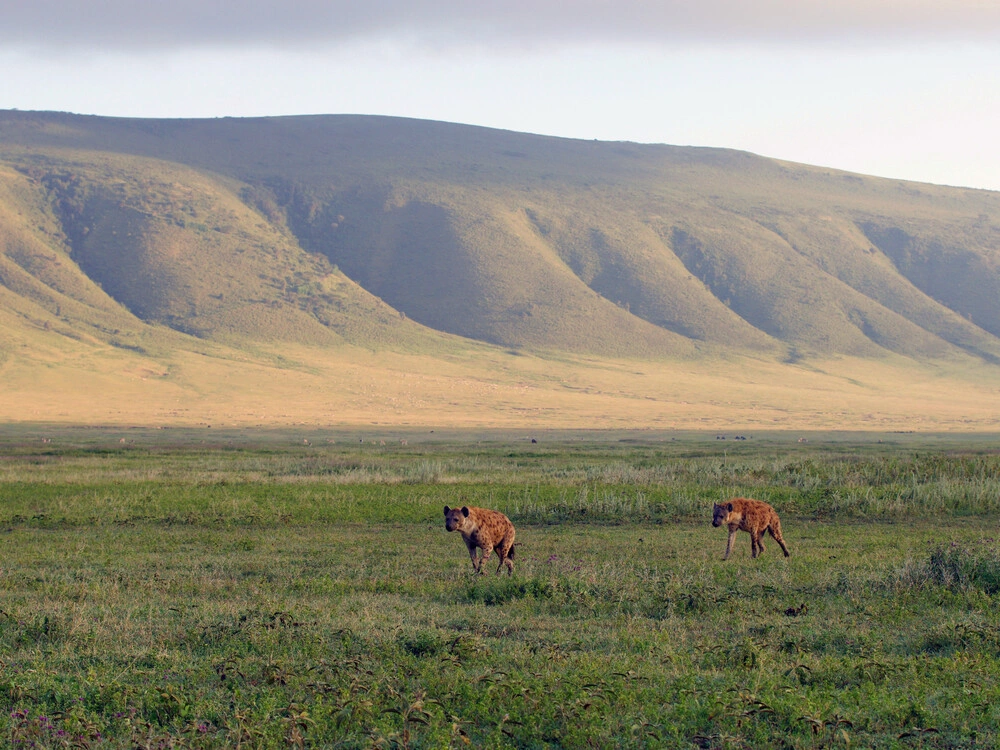
Ngorongoro Crater is renowned for its high concentration of wildlife and is one of Tanzania’s best places for seeing the Big Five in a relatively short period. The crater floor supports large populations of grazing animals and a healthy predator population, while its permanent water sources help sustain wildlife throughout much of the year. Lions, leopards, elephants, buffalo, hyenas, wildebeest, zebras, gazelles, hippos and numerous other species can be encountered across the different habitats. The crater is particularly important for sightings of both black and white rhinos, which can add an exceptional moment to a safari.
The Landscape of Ngorongoro Crater
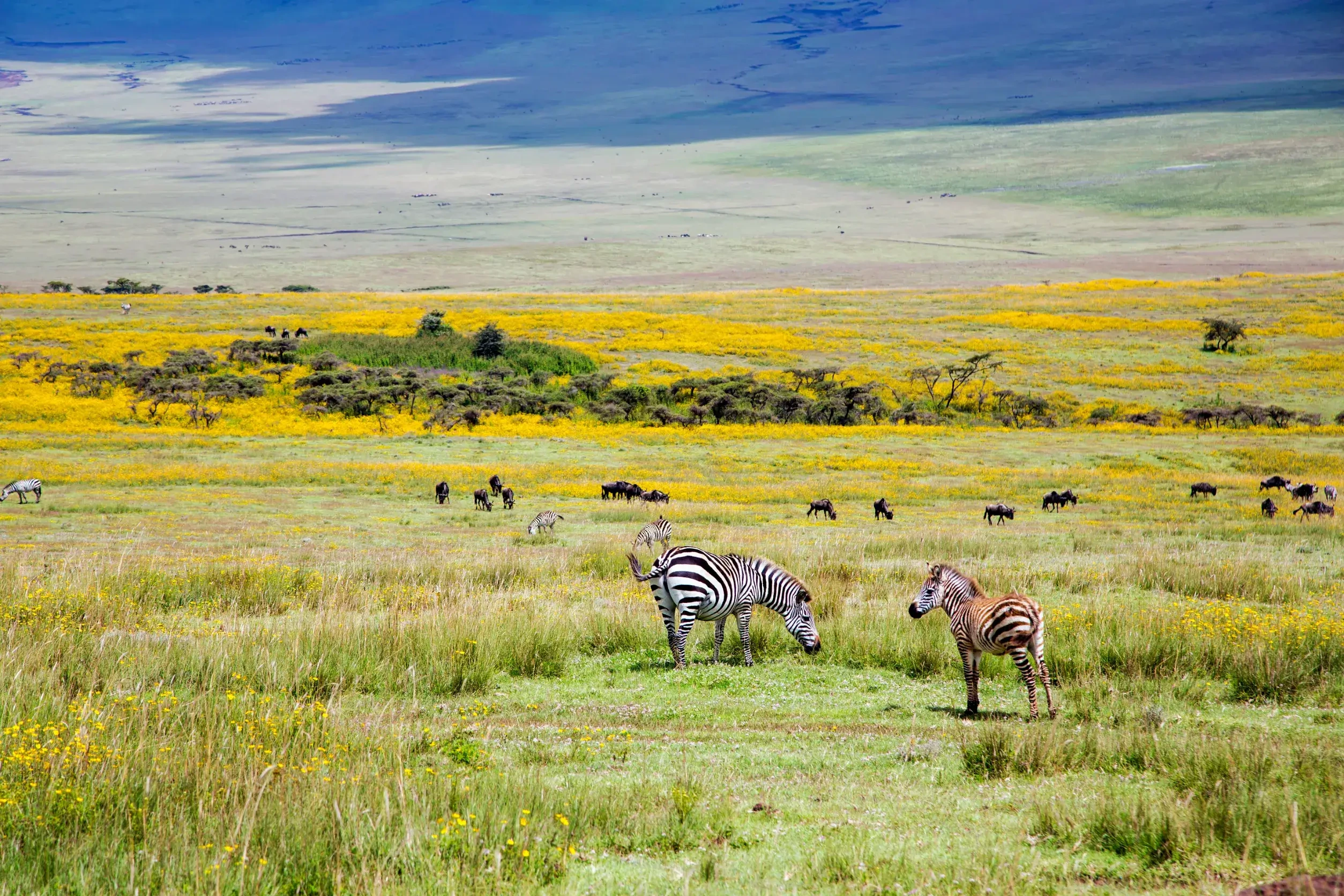
The scenery is one of the defining reasons to visit Ngorongoro. The crater floor is surrounded by steep walls covered in patches of forest and vegetation, creating a natural amphitheatre that changes dramatically with the weather and time of day.
Across the floor, open grasslands provide expansive views, while wetlands and small lakes attract wildlife and birds. Lake Magadi is one of the most recognisable features of the crater, particularly when seasonal conditions bring large gatherings of flamingos and other waterbirds.
The contrast between the green crater floor, dark volcanic slopes, golden grasslands and blue African sky creates excellent opportunities for photography. From the crater rim, visitors can look down across the entire basin, while from the floor the walls provide a dramatic backdrop to almost every game drive.
The surrounding Ngorongoro Conservation Area adds even more variety. Ancient volcanic landscapes, highland forests, grasslands and archaeological sites extend far beyond the crater itself, making the region much more than a single wildlife destination.
Top Things to Do in Ngorongoro Crater
A game drive is the main activity on the crater floor, but the wider Ngorongoro Conservation Area offers much more to explore.
Walking experiences can be arranged in suitable areas around the highlands, including landscapes near Olmoti and Empakaai Craters. These guided walks provide a slower and more intimate way to experience the volcanic environment, vegetation and surrounding scenery.
Cultural experiences with Maasai communities can also be arranged in appropriate areas of the conservation area. These visits offer travellers an opportunity to learn about traditional lifestyles, livestock keeping, local customs and the relationship between communities and the surrounding landscape.
History enthusiasts can also explore Olduvai Gorge, one of the world’s most important archaeological sites. Discoveries from the area have contributed significantly to scientific understanding of early human history, adding an important cultural and historical dimension to a Ngorongoro safari.
Best Time to Visit Ngorongoro Crater
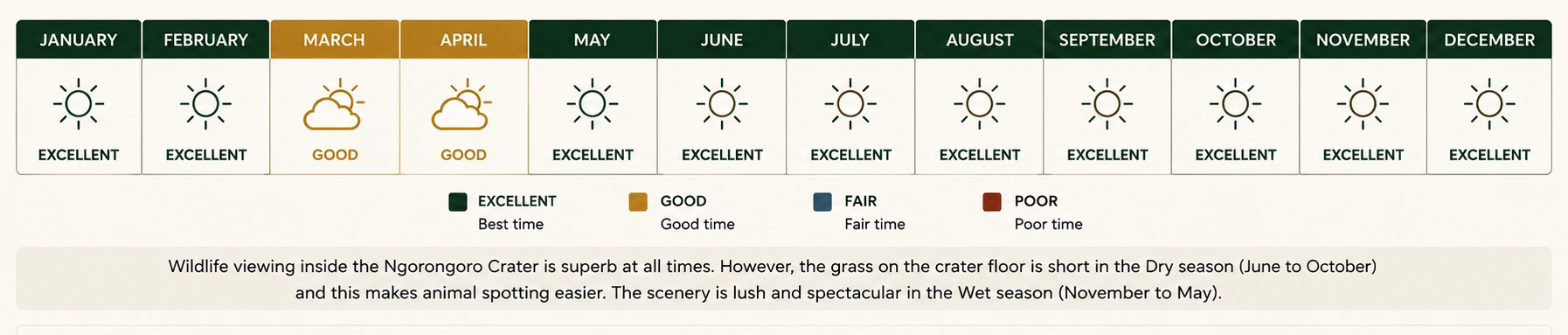
Ngorongoro Crater can be visited throughout the year, and wildlife viewing remains rewarding in every season. However, the dry season from June to October is generally considered one of the best periods for a Ngorongoro safari.
During the dry months, vegetation is often shorter and wildlife can be easier to spot in the open landscape. The weather is also generally pleasant, with sunny days and cooler conditions at night, particularly around the crater rim.
The wetter months from November to May bring a different character to the region. The landscape becomes greener, the air can feel fresher, and seasonal rains create beautiful photographic conditions. The period from January to March is also important for travellers interested in the wider Serengeti ecosystem and the Great Migration, when the nearby Ndutu plains become an important calving area.
Choosing the best time ultimately depends on what you want from your Tanzania safari. Wildlife viewing, photography, migration experiences, weather, accommodation availability and budget can all influence the ideal travel period.
Plan Your Ngorongoro Crater Safari
Your Ngorongoro safari should be designed around the experience you want rather than simply following a standard itinerary. The right combination of travel dates, accommodation, safari vehicle, guide and neighbouring destinations can make a significant difference to the journey.
Whether you are planning a luxury Tanzania safari, a private wildlife adventure, a family holiday, a honeymoon or a first African safari, Ngorongoro Crater can be tailored into an itinerary that matches your interests and travel style.
A well-planned northern Tanzania safari can combine Tarangire National Park, Ngorongoro Crater and Serengeti National Park before continuing to another destination such as Zanzibar. This creates a journey that moves from elephants and baobab landscapes to volcanic highlands, extraordinary wildlife and the endless plains of the Serengeti before ending beside the Indian Ocean.
Ngorongoro is more than a stop on a Tanzania safari itinerary. It is a destination where geology, wildlife, landscape, history and culture come together in one remarkable setting. Descend into the crater, look across its ancient walls, follow the tracks across the grasslands and take time to appreciate the silence between sightings. This is the kind of safari experience that stays with you long after you have left Tanzania.
Where to Stay for a Ngorongoro Safari
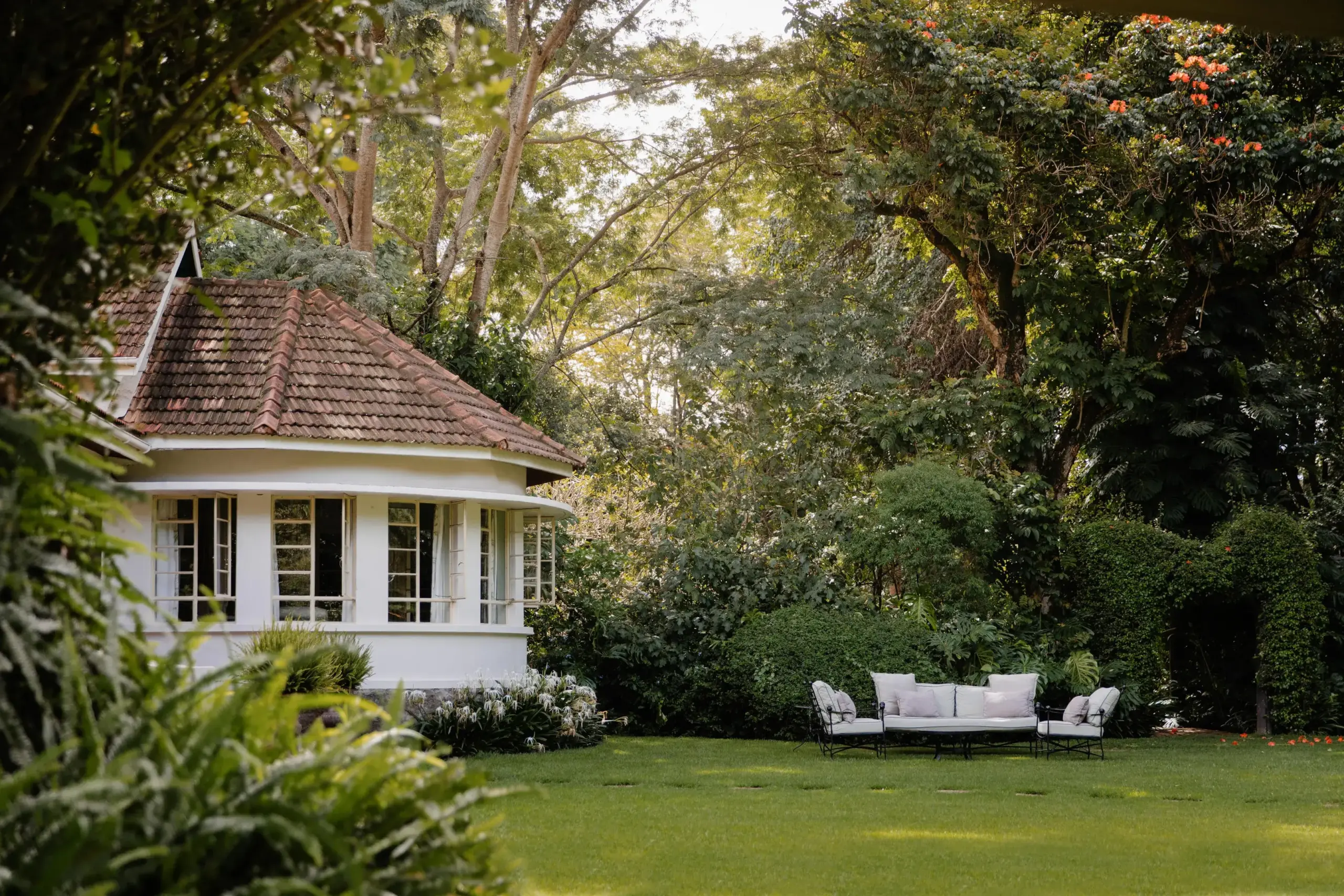
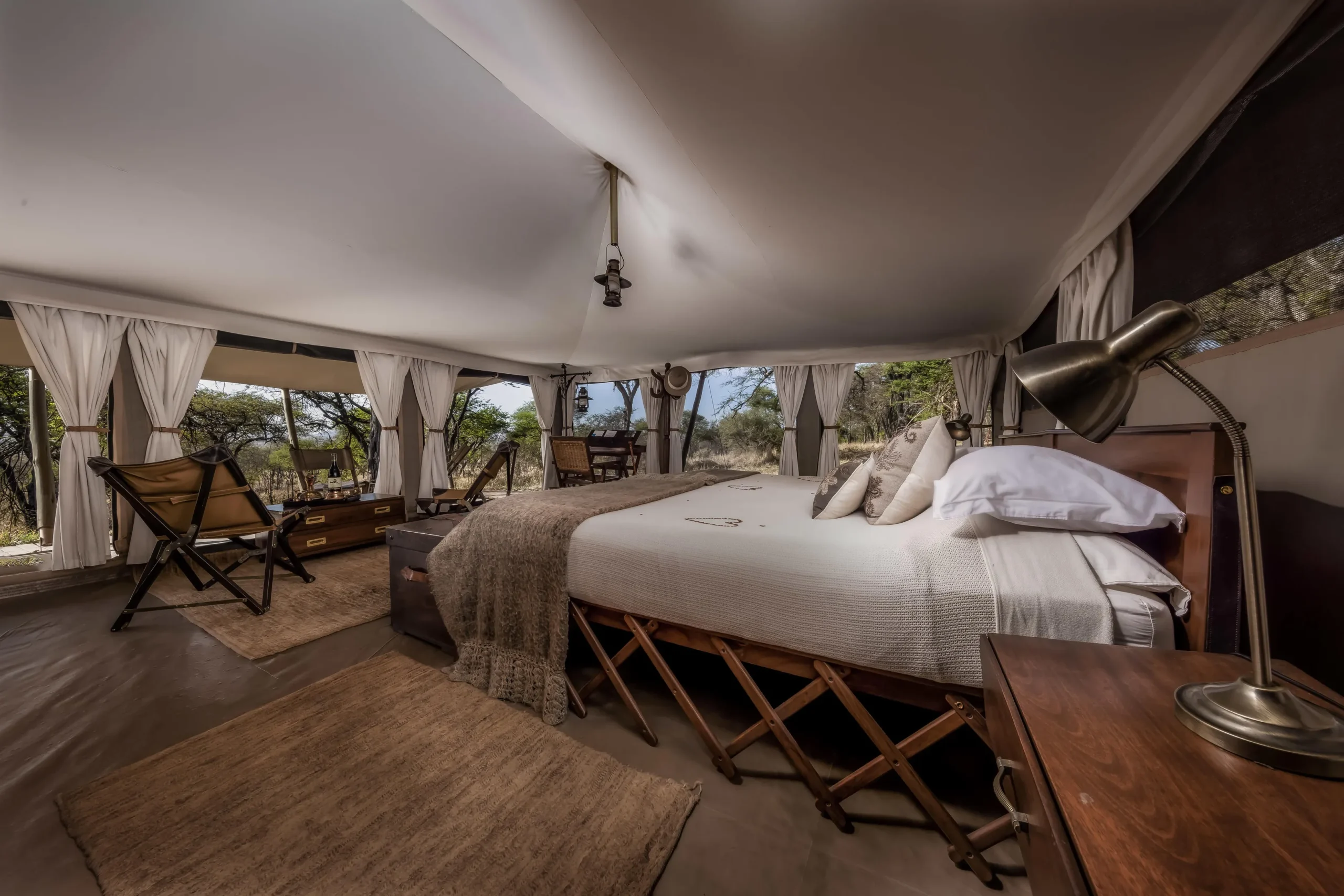
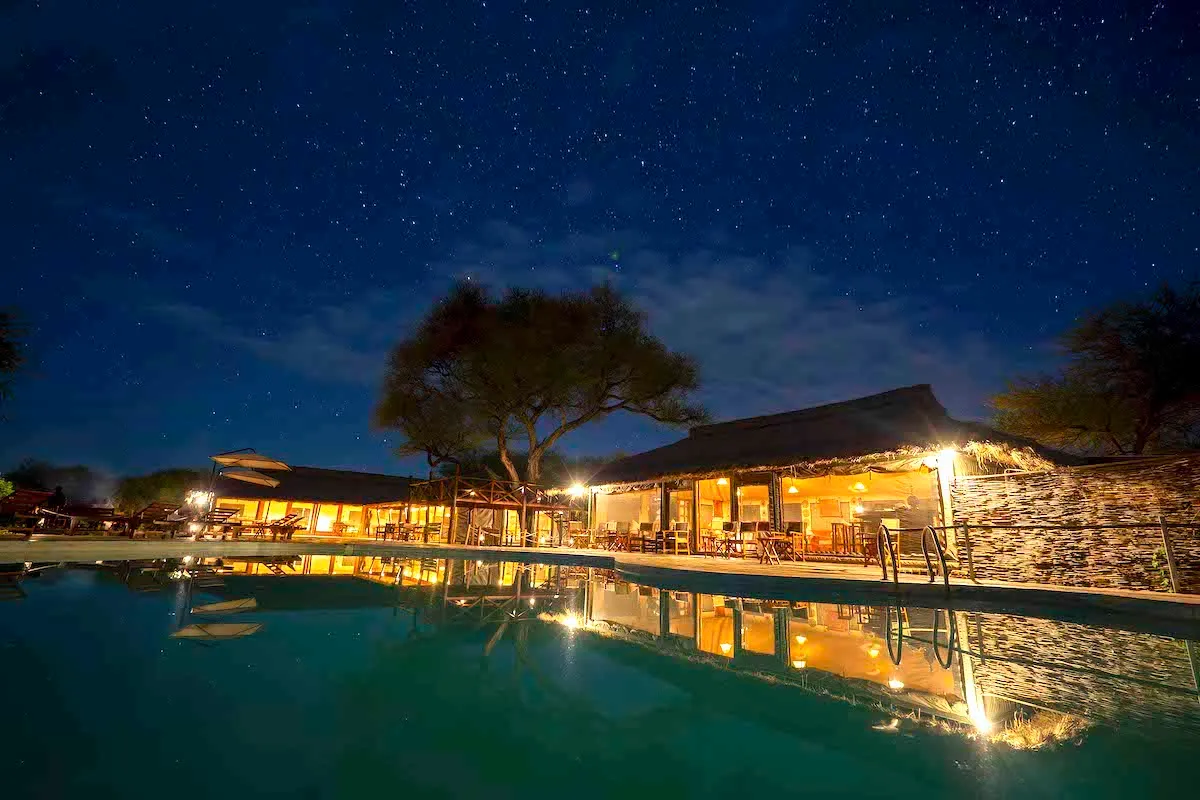
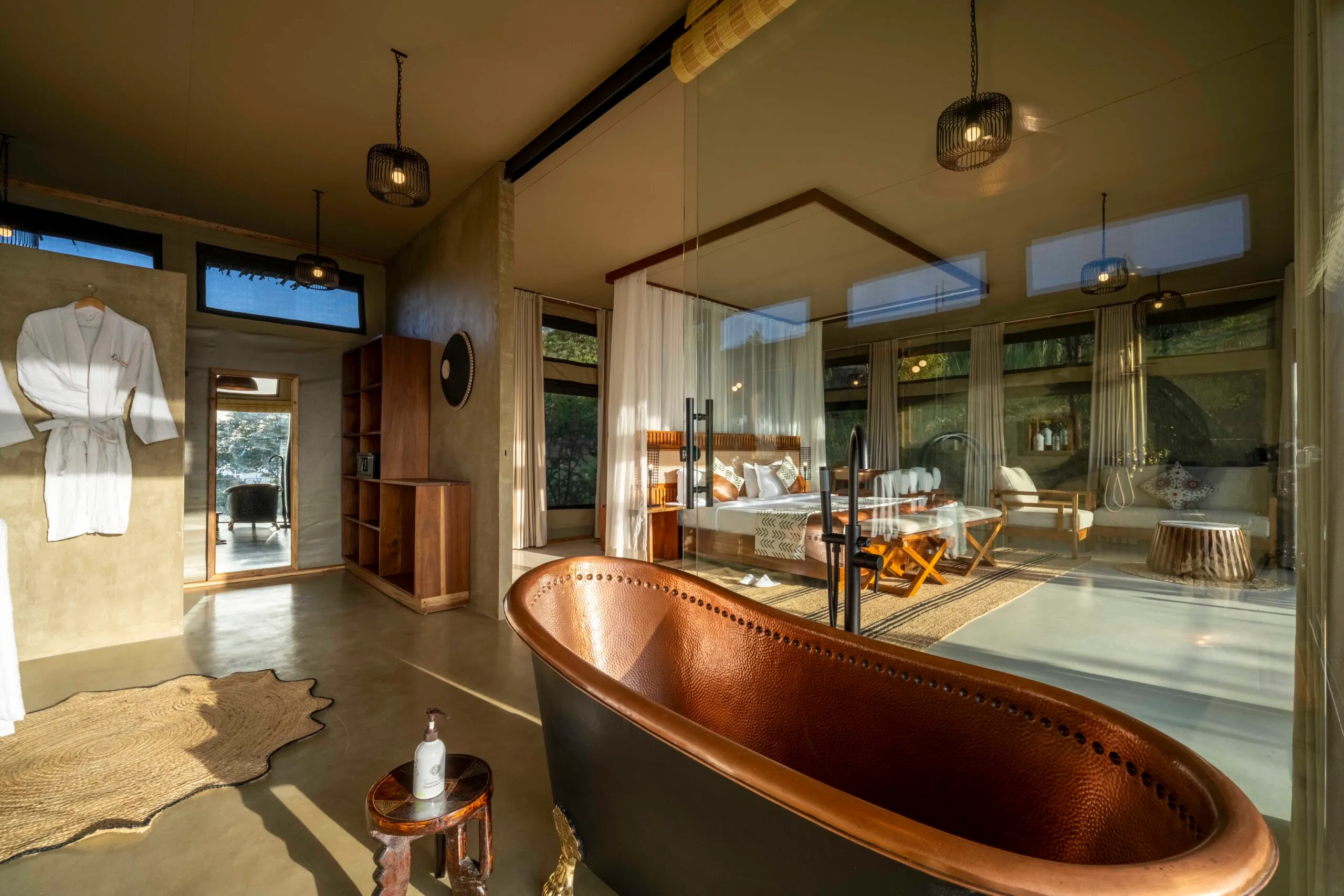
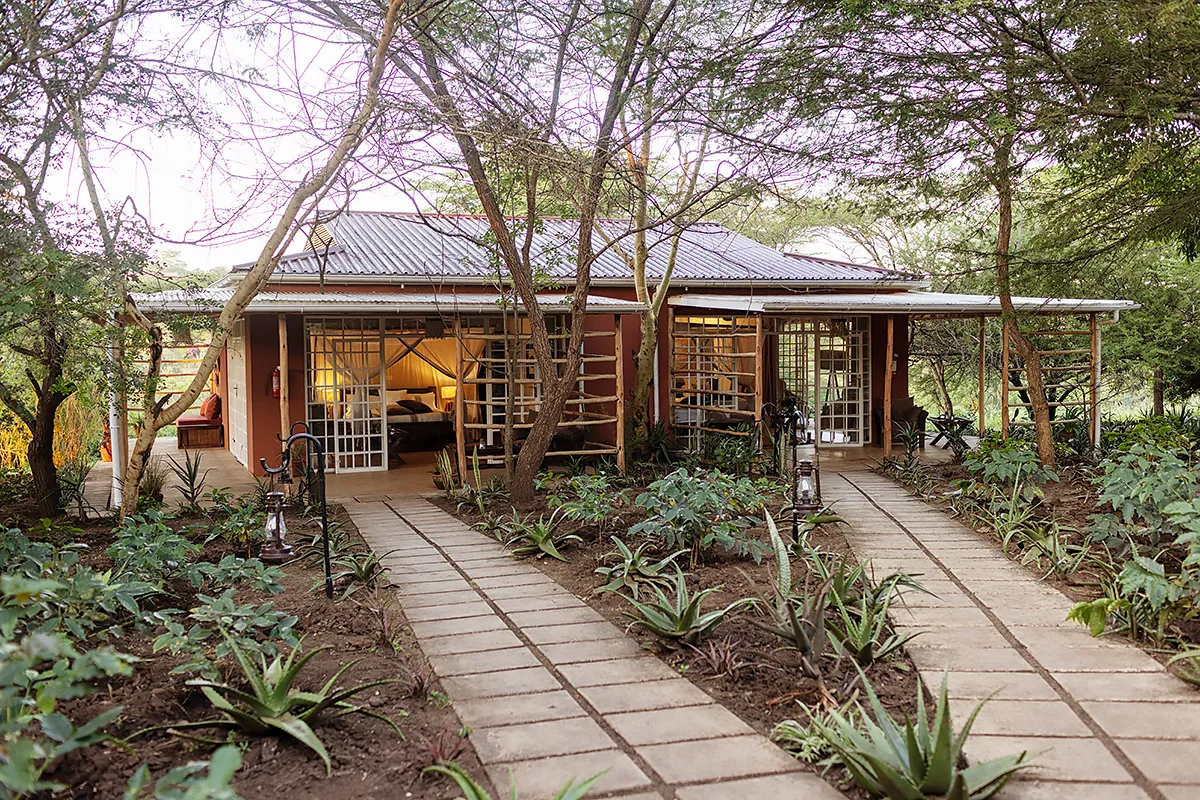
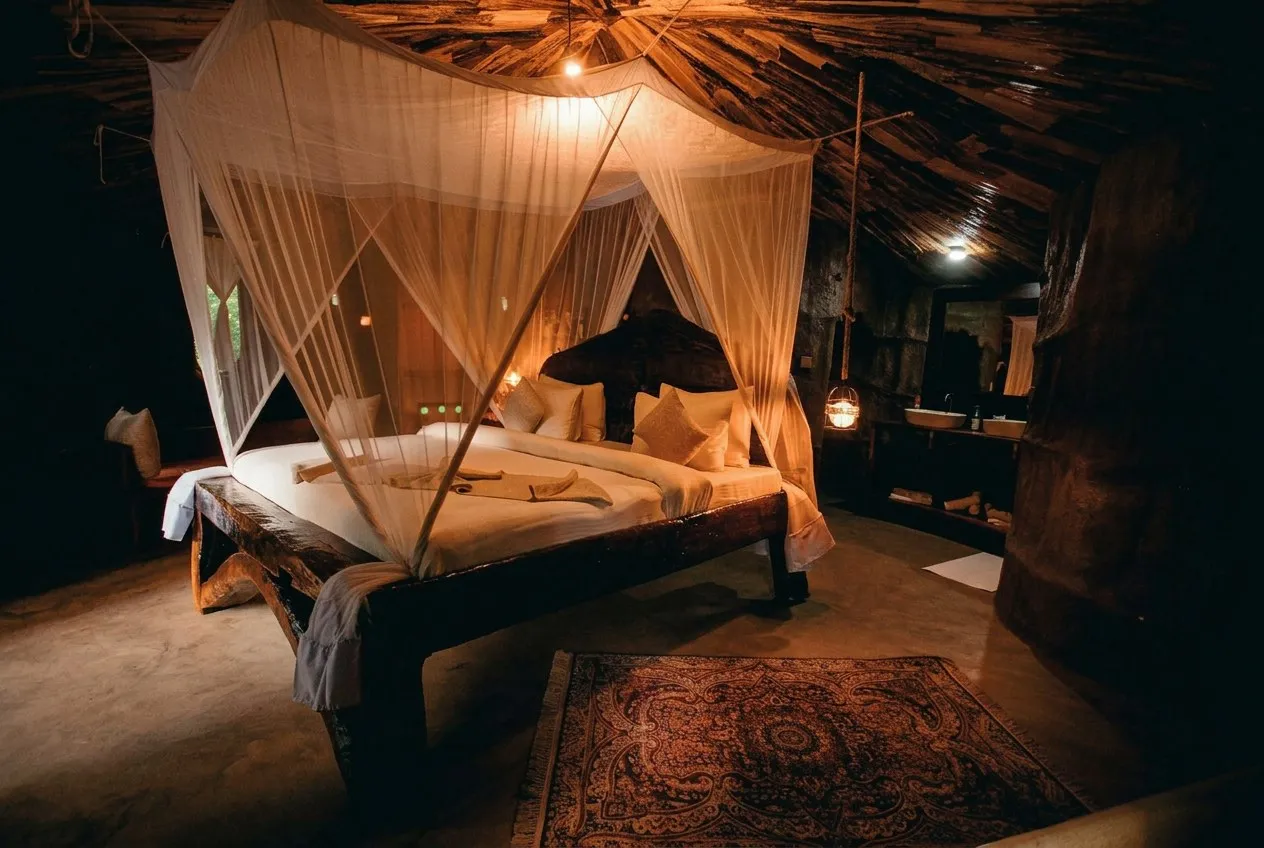
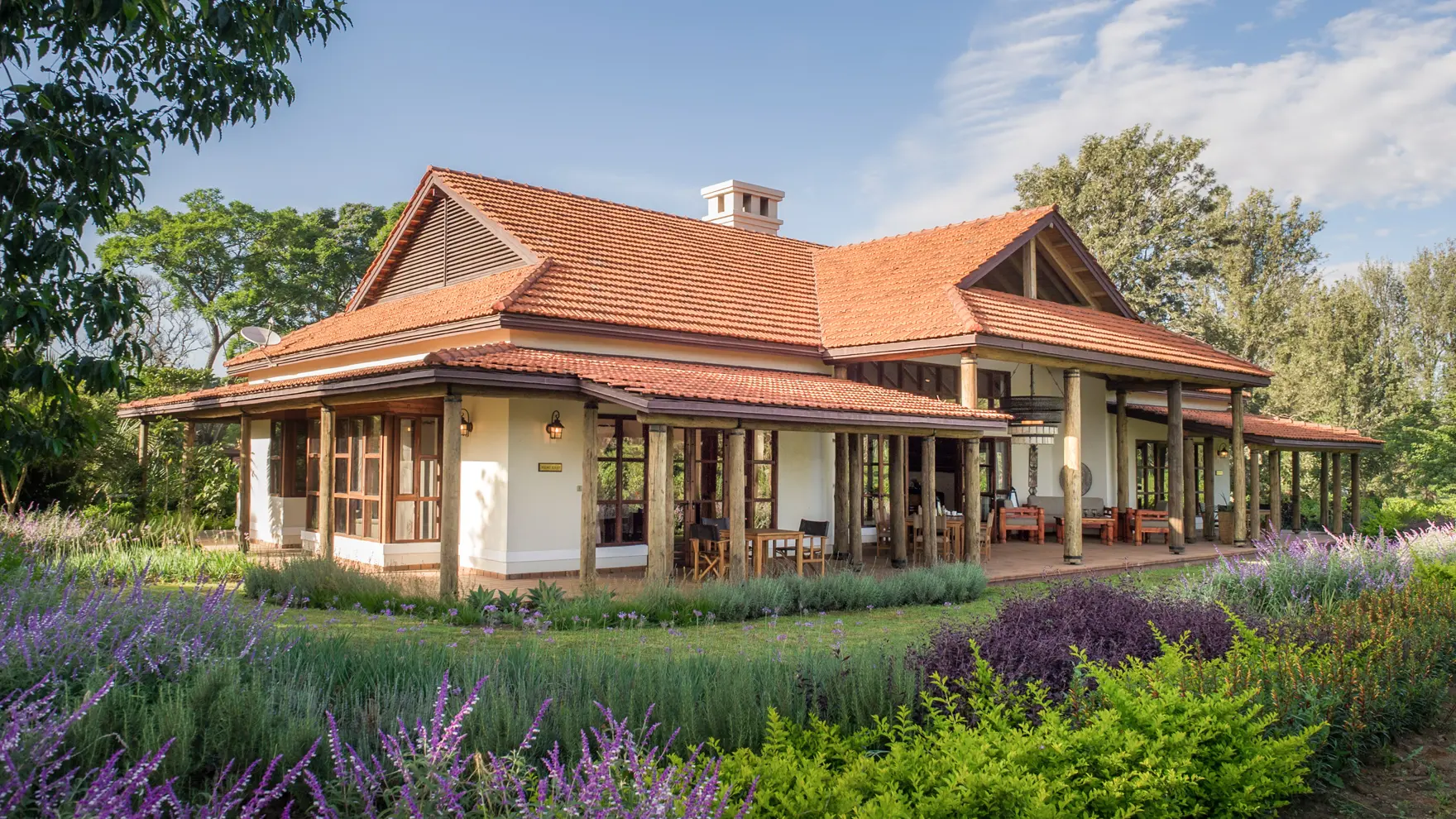
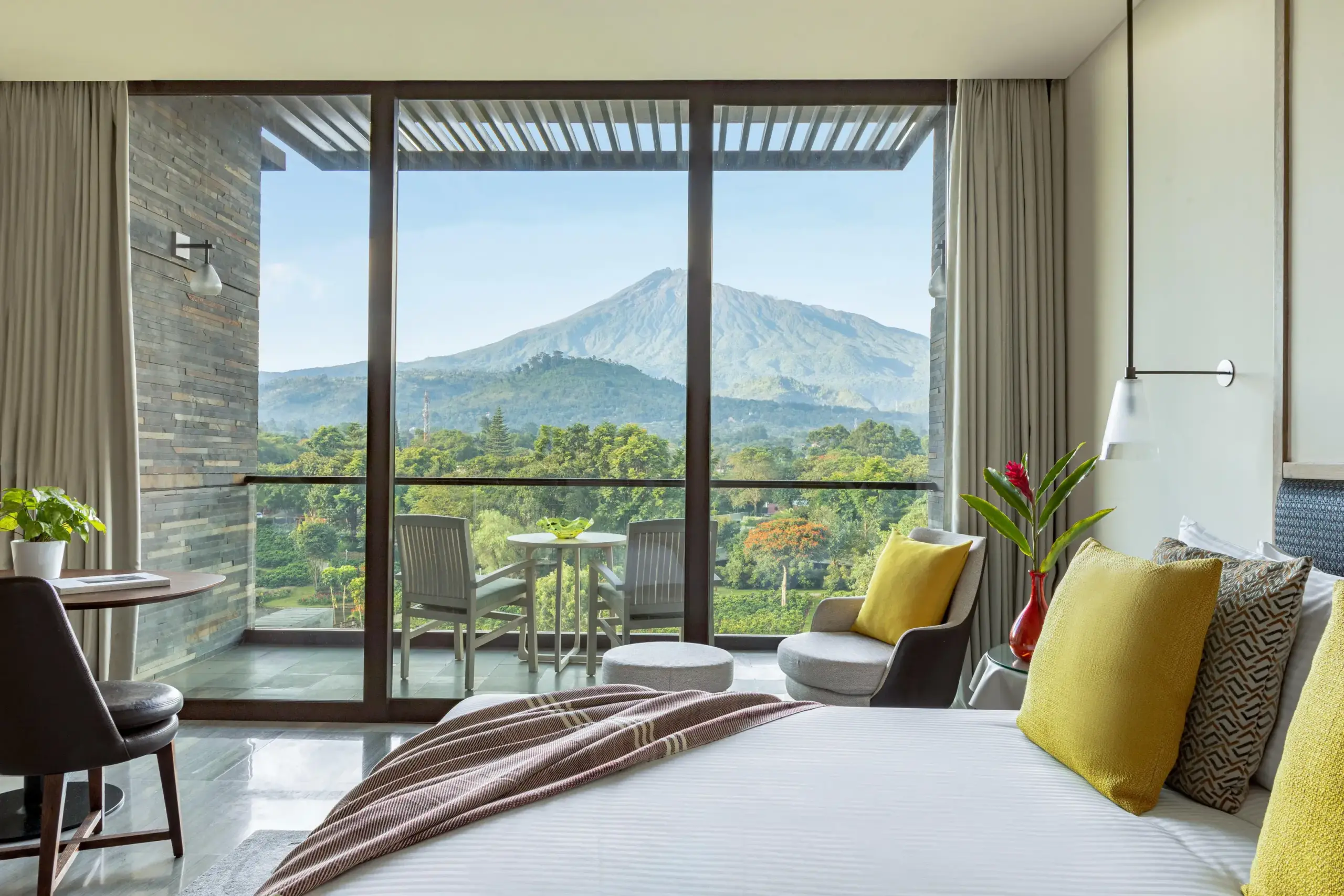
Accommodation around Ngorongoro ranges from comfortable safari lodges and tented camps to high-end luxury properties overlooking the crater. Staying on the crater rim provides one of the most memorable accommodation experiences in Tanzania because many properties offer panoramic views across the volcanic basin.
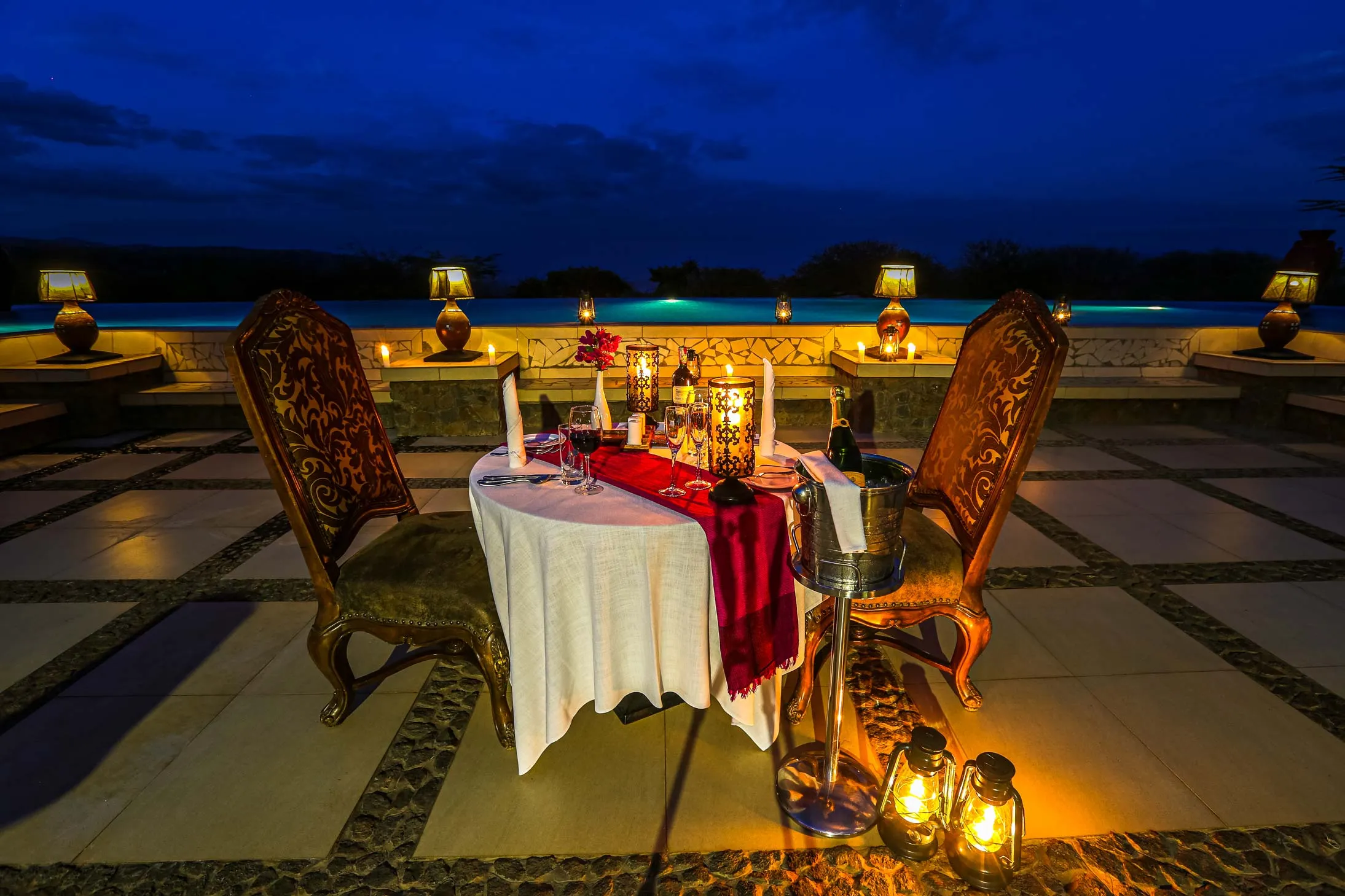
Luxury travellers can choose properties designed around privacy, exceptional service, fine dining and dramatic landscapes. Mid-range and more affordable options are also available around the conservation area and nearby towns.
One advantage of staying close to the crater is the ability to begin your game drive early without making a long journey from Arusha on the same morning. This can make the safari more comfortable and gives you more time to enjoy the destination
How to Get to Ngorongoro Crater
Ngorongoro Crater is one of the most accessible safari destinations in northern Tanzania. Most road safaris reach the conservation area from Arusha, with the journey taking several hours depending on the itinerary and stops along the way.
The crater is commonly visited after Tarangire or Lake Manyara and before continuing towards Serengeti National Park. This makes it easy to include Ngorongoro in a classic northern Tanzania safari circuit.
Travellers who prefer to save time can also use scheduled or private flights to airstrips serving the northern safari circuit and continue by safari vehicle.
The best route depends on your arrival airport, safari length, accommodation preferences and the other destinations you plan to visit.